

تُغيّر عملية التوريق في شركة آربور ريالتي ترست مزيج التمويل ومستوى المخاطر.
Arbor Realty Trust Inc ABR | 0.00 |
- أكملت شركة Arbor Realty Trust (المدرجة في بورصة نيويورك تحت الرمز: ABR) عملية توريق كبيرة لقروض الرهن العقاري التجاري.
- أصدرت الصفقة سندات مصنفة بدرجة استثمارية، واحتفظت شركة آربور بالحصص الأقل أهمية في الهيكل.
- تم تخصيص العائدات لسداد الديون القائمة وتمويل أنشطة الإقراض والاستثمار المستقبلية.
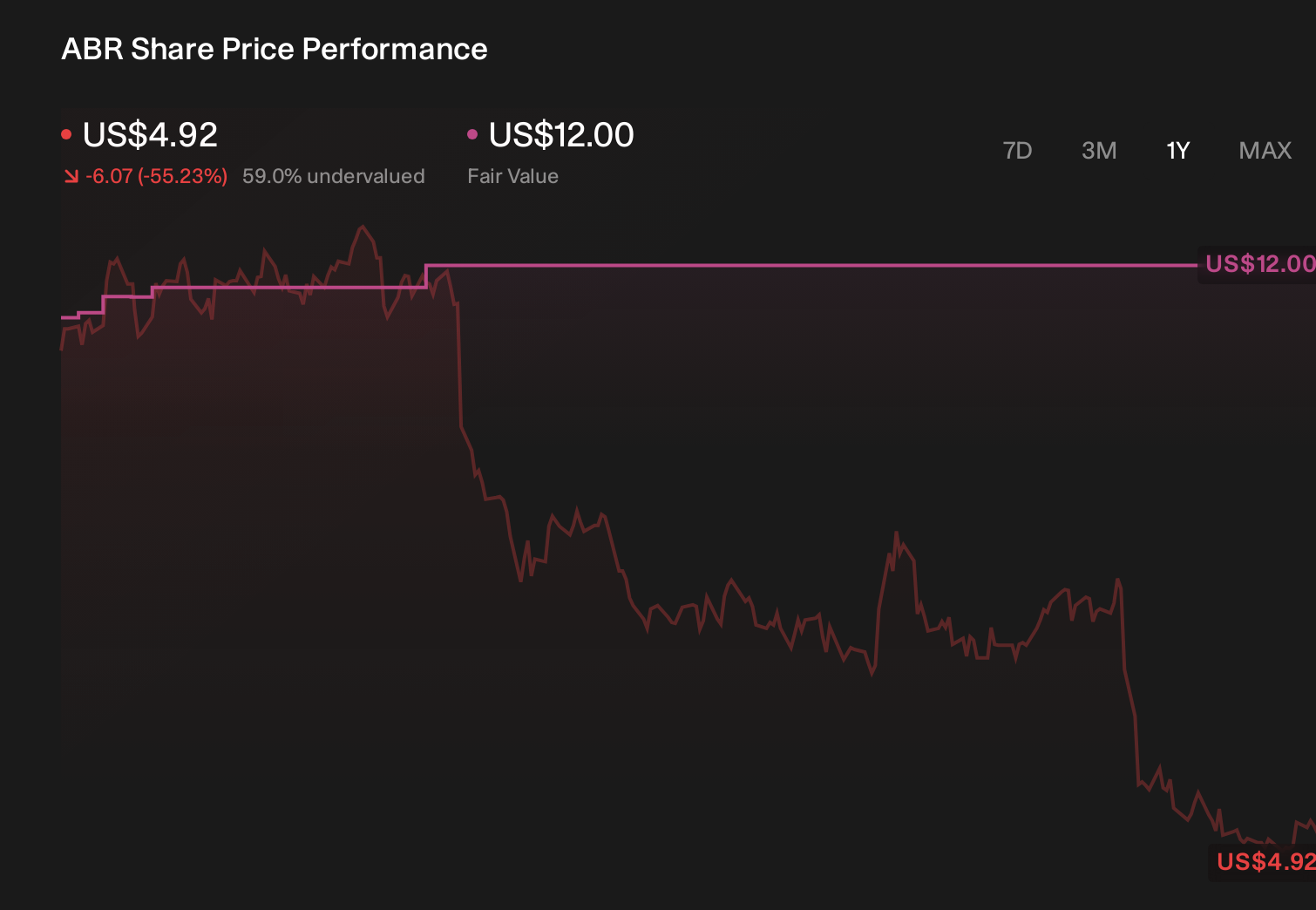
بالنسبة للمتابعين لسهم شركة آربور (المدرجة في بورصة نيويورك تحت الرمز: ABR)، تأتي هذه الخطوة التمويلية في وقت يتداول فيه السهم عند حوالي 7.37 دولار أمريكي، بعد أن شهد انخفاضًا بنسبة 31.1% خلال العام الماضي. تُضيف عملية التوريق مصدر تمويل جديدًا إلى جانب تسهيلات الائتمان الحالية لشركة آربور. يُعد هذا الأمر بالغ الأهمية في ظل بيئة تخضع فيها شروط الائتمان للتدقيق، ويولي فيها المقرضون اهتمامًا أكبر لأداء القروض وجودة الأطراف المقابلة.
تُتيح هذه الصفقة أيضًا رؤية أوضح لكيفية تعامل شركة آربور مع مرونة ميزانيتها العمومية وإمكانية الوصول إلى رأس المال المؤسسي. فمن خلال إصدار سندات ذات تصنيف استثماري مرتبطة بقروضها العقارية التجارية مع الاحتفاظ بالحصص الثانوية، تُشير آربور إلى ثقتها في محفظة قروضها وتُهيئ المجال لمزيد من أنشطة الإقراض التي قد تُؤثر على ملف المخاطر والعوائد الخاص بها بمرور الوقت.
ابقَ على اطلاعٍ دائم بأهم الأخبار المتعلقة بشركة آربور ريالتي ترست من خلال إضافتها إلى قائمة مراقبتك أو محفظتك الاستثمارية . أو يمكنك استكشاف مجتمعنا لاكتشاف وجهات نظر جديدة حول آربور ريالتي ترست.
تُعيد هذه العملية التوريقية تشكيل مزيج تمويل شركة آربور ريالتي ترست من خلال تحديد مدة جزء من تمويلها وربطه مباشرةً بمجموعة محددة من قروض الرهن العقاري التجاري. وبإصدار سندات استثمارية بقيمة 674 مليون دولار أمريكي، والاحتفاظ بحصص ثانوية بقيمة 88.6 مليون دولار أمريكي، تنقل آربور فعليًا جزءًا من مخاطر الائتمان إلى حاملي السندات، مع الاحتفاظ بالجزء ذي المخاطر الأعلى والعائد الأعلى في ميزانيتها العمومية. ويعني إدراج هذه العملية في الميزانية العمومية أن المستثمرين قد ينظرون إليها على أنها تمويل مضمون وليس بيعًا للأصول، مع ضرورة متابعة مستويات الدين ونسب الرافعة المالية. ويشير الفارق الأولي البالغ 1.73% فوق سعر الفائدة المرجعي SOFR لأجل محدد، وشكل الاكتتاب الخاص، إلى قدرة آربور على الوصول إلى أسواق الائتمان المؤسسية. بالإضافة إلى ذلك، تتيح فترة إعادة الاستثمار التي تبلغ عامين ونصف، والقدرة الإضافية على الإقراض البالغة 100 مليون دولار أمريكي، للشركة مجالًا لإعادة تدوير مدفوعات رأس المال في قروض جديدة مؤهلة دون الحاجة إلى ترتيب تسهيلات جديدة.
كيف يتناسب هذا مع سردية شركة آربور ريالتي ترست
- إن القدرة على جمع 762.6 مليون دولار أمريكي مقابل محفظة من قروض الرهن العقاري الأولى تدعم وجهة النظر القائلة بأن شركة Arbor يمكنها الاستمرار في تمويل منصات الإقراض الخاصة بها حتى مع تعرض أحجام عمليات الإقراض وأرباح الوكالات لضغوط.
- إن الاحتفاظ بالحصص الثانوية يركز المزيد من مخاطر الائتمان على الميزانية العمومية لشركة آربور، والتي تتفاعل بشكل مباشر مع المخاوف بشأن القروض المتعثرة وتغطية الأرباح التي تم الإشارة إليها في التعليقات السابقة.
- قد لا تنعكس ميزة إعادة الاستثمار ومعالجة التوريق في الميزانية العمومية بشكل كامل في بيانات الأرباح البسيطة أو نسب السعر إلى الأرباح. وهذا قد يقلل من شأن تأثير أداء القروض المستقبلية وهوامش الربح على مرونة شركة آربور.
معرفة قيمة أي شركة تبدأ بفهم تاريخها. اطلع على إحدى أبرز القصص في مجتمع Simply Wall St حول شركة Arbor Realty Trust لتساعدك في تحديد قيمتها بالنسبة لك.
المخاطر والمكافآت التي ينبغي على المستثمرين مراعاتها
- ⚠️ يشير المحللون إلى أن ديون شركة Arbor لا يتم تغطيتها بشكل جيد من خلال التدفق النقدي التشغيلي، لذا فإن إضافة التمويل المضمون يزيد من أهمية توليد النقد المستقر من محفظة القروض الأساسية.
- ⚠️ هوامش الربح البالغة 19.7%، مقارنة بـ 35.6% في العام الماضي، وعائد توزيعات الأرباح البالغ 16.28% والذي لا تغطيه الأرباح بشكل جيد، يعني أن الرافعة المالية الإضافية من خلال التوريق يمكن أن تضيق هامش الأمان إذا تحركت تكاليف الائتمان أو هوامش التمويل ضد الشركة.
- 🎁 من المتوقع أن تنمو الأرباح بنسبة 10.1٪ سنويًا، ويمكن أن يدعم تثبيت التمويل لأجل بفارق محدد عن سعر الفائدة المرجعي لأجل هذا الهدف إذا ظلت عوائد القروض جذابة مقارنة بتكاليف التمويل.
- 🎁 يتم تداول أسهم شركة Arbor بنسبة 35.4% أقل من التقدير للقيمة العادلة، لذا فإن تحسين مرونة التمويل وتحرير القدرة على تسهيلات الائتمان الحالية قد يُنظر إليه بشكل إيجابي إذا اعتقد المستثمرون أن محفظة القروض ستؤدي كما هو متوقع.
ما يجب متابعته مستقبلاً
من هنا، يمكن للمستثمرين التركيز على كيفية توظيف شركة آربور لمبلغ 100 مليون دولار أمريكي من الضمانات المتبقية وإعادة استثمار رأس المال على مدى العامين والنصف القادمين، وما إذا كانت هذه القروض الجديدة تُمنح بهوامش ربح تتجاوز هامش التمويل البالغ 1.73% بشكل مريح. ومن المفيد أيضًا متابعة آخر المستجدات بشأن القروض المتعثرة ضمن محفظة الأوراق المالية المُسندة، وأي تغييرات في التصنيفات الائتمانية من وكالتي فيتش أو كرول، ومدى سرعة استخدام آربور للعائدات لخفض الاقتراض بموجب تسهيلاتها الائتمانية الحالية. هذه العوامل، بالإضافة إلى أي تعديلات على سياسة توزيع الأرباح أو اتجاهات هوامش الربح، يمكن أن توفر صورة أوضح لكيفية تأثير هذه العملية على نسبة الدين إلى حقوق الملكية لشركة آربور ومرونتها المالية.
للبقاء على اطلاع دائم بكيفية تأثير آخر الأخبار على سردية الاستثمار لشركة Arbor Realty Trust، تفضل بزيارة صفحة المجتمع الخاصة بشركة Arbor Realty Trust لمتابعة أهم سرديات المجتمع.
هذا المقال من Simply Wall St ذو طبيعة عامة. نقدم تعليقاتنا بناءً على البيانات التاريخية وتوقعات المحللين فقط، باستخدام منهجية محايدة، ولا يُقصد بمقالاتنا أن تكون نصائح مالية. لا يُشكل هذا المقال توصيةً بشراء أو بيع أي سهم، ولا يأخذ في الاعتبار أهدافك أو وضعك المالي. نهدف إلى تزويدك بتحليلات طويلة الأجل مدفوعة بالبيانات الأساسية. يُرجى ملاحظة أن تحليلنا قد لا يأخذ في الاعتبار آخر إعلانات الشركات الحساسة للسعر أو المعلومات النوعية. لا تمتلك Simply Wall St أي أسهم في أي من الشركات المذكورة.