

Shelter Inflation Keeps Pressure On D.R. Horton Lennar And UMH Properties
UMH Properties, Inc. UMH | 0.00 |
July’s CPI report keeps inflation above the Fed’s 2% target, and shelter costs sit right at the heart of that story. When rent and housing stay firm, some stocks tied to residential real estate and homebuilding can feel more pricing power, while others face affordability pressure. This article walks through three stocks from our U.S. residential REITs and homebuilder screener that appear particularly exposed to this latest inflation twist.
The stocks covered below are just a starting sample. The full screen surfaced 36 more companies with equally compelling narratives that are not covered in this article. To go deeper on U.S. residential REITs and homebuilder stocks leveraged to persistent shelter inflation, head straight into the U.S. Residential REITs and Homebuilder Stocks Leveraged to Persistent Shelter Inflation screener.
D.R. Horton (DHI)
Overview: D.R. Horton is a large U.S. homebuilder that acquires land, develops communities, and sells single family and attached homes across 126 markets in 36 states, while also offering mortgage, title, and rental housing services. The company complements its core homebuilding with residential lot development, multifamily and single family rentals, insurance operations, and ownership of water rights and other real estate assets.
Operations: D.R. Horton generates most of its revenue from regional homebuilding operations in the U.S., led by the South Central (US$6.8b), Southeast (US$6.6b), East (US$6.2b), Southwest (US$4.3b), and North (US$4.4b) segments, with additional contributions from the Northwest, Forestar, rental, and financial services businesses.
Market Cap: US$41.9b
D.R. Horton sits at the center of the shelter inflation story, with its broad U.S. footprint giving it direct exposure to new home pricing in a market where rents and ownership costs remain elevated. The company combines scale, vertical integration, and a strong position in entry level housing with solid earnings quality and ongoing buybacks. Together, these factors help support margins and capital returns even as affordability pressures keep incentives high. At the same time, easing real incomes, higher cancellations, and reliance on first time buyers create real risk if mortgage rates or lot costs squeeze buyers further. If you are trying to work out whether persistent shelter inflation is an opportunity or a warning sign for your portfolio, D.R. Horton is a useful place to start that discussion.
D.R. Horton’s scale, entry level focus, and capital returns can look powerful when shelter inflation stays firm, yet the real story sits inside the analysis report for D.R. Horton.

Build your own shelter inflation shortlist
D.R. Horton and the two other stocks in this article all came from a single Simply Wall St screener, but the real edge is in shaping filters around what matters most to you. Use our customisable Screener to mix fundamentals, valuation, and risk checks into your own watchlist, or start with any of our curated Investing Ideas.
UMH Properties (UMH)
Overview: UMH Properties is a U.S. residential REIT that owns and operates 145 manufactured home communities with about 27,100 developed homesites and over 1,000 self-storage units across multiple states, focusing on affordable housing through both rental homes and resident-owned sites.
Operations: UMH Properties generates around US$271 million in revenue from the ownership and operation of manufactured home communities in the United States.
Market Cap: US$1.4b
UMH Properties provides direct exposure to shelter inflation through manufactured home site fees and rents, which sit in the affordable corner of the housing market where demand often stays firm even when budgets are tight. July’s CPI update keeps shelter costs elevated, and UMH’s portfolio benefits from that backdrop while management signals a preference for steady rent growth around 4% and strong collections near 98%, which can support occupancy and cash flow quality. The flip side is a high P/E multiple, a dividend that is not fully covered by earnings, and meaningful reliance on external debt funding, all of which raise questions about downside protection if financing costs stay high. That mix of inflation-linked income, activist pressure around “hidden” asset value, and funding risk is a key reason UMH Properties may merit closer examination within a shelter inflation watchlist.
UMH Properties sits where shelter inflation, high P/E and uncovered dividends intersect, which could mask both upside and funding strain. See how that balance plays out in the 3 key rewards and 2 important warning signs (1 is major!)

Lennar (LEN)
Overview: Lennar is a large U.S. homebuilder that constructs and sells single family and attached homes across multiple regions, while also running multifamily rentals, mortgage financing, title insurance, and fund investment activities for a wide range of buyers from first time to luxury.
Operations: Lennar generates most of its revenue in the United States from homebuilding, led by the West segment at about US$11.2b, Central at about US$7.5b, East at about US$6.8b, South Central at about US$5.5b, supported by Financial Services at about US$1.1b and Multifamily at about US$533 million.
Market Cap: US$21.0b
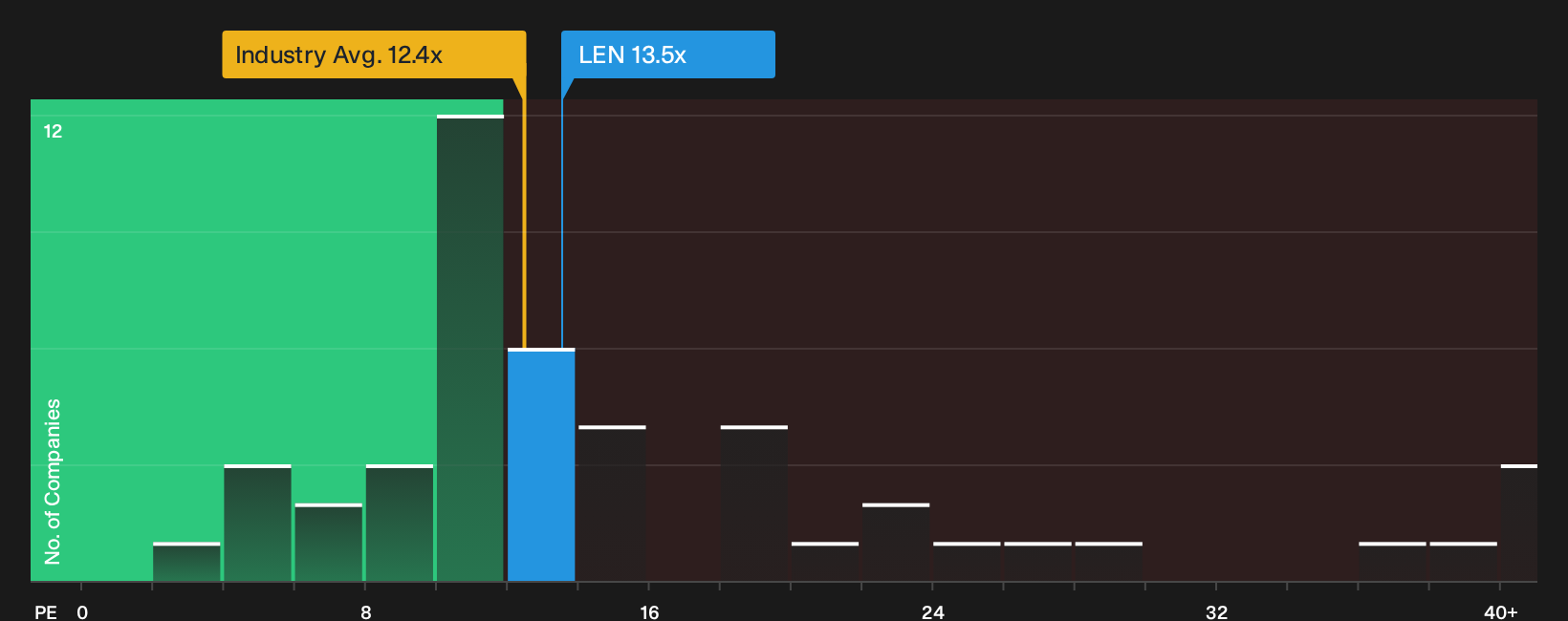
Lennar provides direct exposure to shelter inflation through new home pricing and mortgage services at a time when CPI data shows rents and housing costs still running hot. The company is emphasizing an asset light, land light model that aims to keep volume high and cash generation resilient, even as margins and earnings have come under pressure and recent quarters showed declines in revenue and EPS. That mix of high quality earnings signals, active share buybacks and ongoing community openings sits alongside softer growth, a P/E just below the market average, and reliance on external borrowing. For investors tracking how persistent shelter inflation interacts with affordability strains, Lennar is an important piece of the puzzle that may warrant a closer look beyond the headlines.
Lennar’s asset-light strategy and share buybacks may make the current P/E ratio and softer growth appear more compelling than they seem at first glance. The real question sits inside the 3 key rewards and 1 important warning sign
Seeking Fresh Alternatives Before Others Do
Some stocks are already building breakout momentum while others are quietly dropping off the radar. Use these fresh ideas before the crowd catches up and get in early.
- Spot companies quietly building strength before momentum flies. Scan the list of solid balance sheet and fundamentals (50 results) and see which balance sheets look built to handle the next shock.
- Target income streams that may hold up when prices move. Work through the 10 dividend fortresses and focus on yield plays that still look supported by underlying cash flows.
- Get ahead of the next power build out story. Sort through the 38 power grid technology and infrastructure stocks and track businesses tied to grid upgrades while they are still under the radar for now.
This article by Simply Wall St is general in nature. We provide commentary based on historical data and analyst forecasts only using an unbiased methodology and our articles are not intended to be financial advice. It does not constitute a recommendation to buy or sell any stock, and does not take account of your objectives, or your financial situation. We aim to bring you long-term focused analysis driven by fundamental data. Note that our analysis may not factor in the latest price-sensitive company announcements or qualitative material. Simply Wall St has no position in any stocks mentioned.