

Wayfair Taps Google AI Shopping To Test New Growth Channel
Wayfair W | 0.00 |
- Wayfair (NYSE:W) has integrated with Google's Universal Commerce Protocol.
- U.S. shoppers can now buy Wayfair products directly within Google Search and the Gemini app through AI powered discovery.
- The new shopping experience is tied to Google's AI driven commerce platform, enabling seamless checkout inside Google's ecosystem.
Wayfair is an online home goods and furniture retailer that is closely connected to digital traffic and user experience across its website and apps. By plugging into Google's new commerce protocol, the company is placing its catalog where many customers already begin their product searches. For investors tracking how retailers respond to AI driven search and shopping, this move provides additional insight into how NYSE:W is using external platforms.
For customers, the integration may shorten the path from search to purchase, with AI surfacing specific Wayfair items that match user queries inside Google tools. For Wayfair, the impact will depend on how this channel affects customer acquisition, engagement, and order flow over time compared with its existing direct and marketplace channels.
Stay updated on the most important news stories for Wayfair by adding it to your watchlist or portfolio. Alternatively, explore our Community to discover new perspectives on Wayfair.
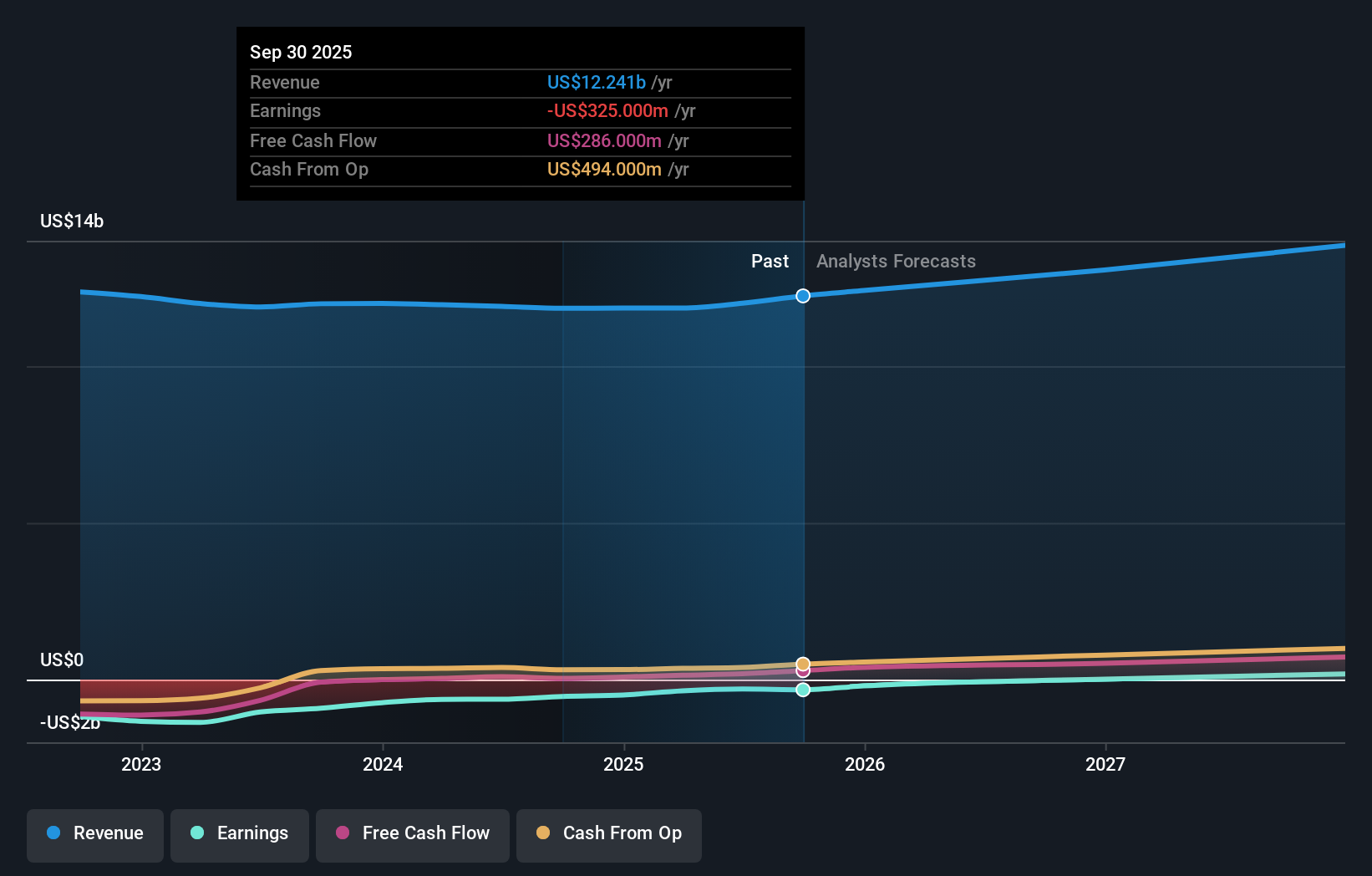
This integration plugs Wayfair directly into Google’s AI-powered shopping funnel, which could matter for how often its products show up when customers first start researching home purchases. Instead of relying only on traffic to Wayfair’s own site and app, the company is meeting shoppers where they already spend time in Search and the Gemini app, with checkout staying tied back to Wayfair. For a category like furniture, where purchases are higher ticket and more considered, reducing friction between product discovery, financing options, and checkout can influence which retailer wins the order. Competitors such as Amazon, Walmart, and Target are also investing in AI driven discovery, so investors may want to think about whether this open protocol helps level access to Google’s ecosystem or risks more direct price and assortment comparisons. The move also sits alongside Wayfair’s efforts with partners like Affirm across multiple regions, which points to a broader focus on flexible payments and digital convenience as potential levers for order volume and cart size.
How This Fits Into The Wayfair Narrative
- The closer integration with AI powered channels like Google Search and Gemini supports the narrative that Wayfair is leaning on technology and its logistics network to improve customer experience and potentially drive better conversion across its large catalog.
- Heavy investment in external AI platforms may add to the cost base for technology and marketing, which the narrative already flags as a pressure point that can weigh on margins if demand does not keep pace.
- The co development of Google’s protocol and focus on AI powered discovery on third party platforms are not fully reflected in the narrative’s emphasis on the app, Wayfair Verified, and physical stores, so investors may want to factor this newer channel into their own expectations of customer acquisition and engagement.
Knowing what a company is worth starts with understanding its story. Check out one of the top narratives in the Simply Wall St Community for Wayfair to help decide what it's worth to you.
The Risks and Rewards Investors Should Consider
- ⚠️ If the new Google powered journey does not shift enough shoppers from browsing to buying, the added complexity and any traffic share away from Wayfair’s own channels could pressure marketing efficiency and margins.
- ⚠️ Analysts have flagged key risks around macro conditions and home related spending, so even better discovery tools may have limited effect if overall demand for big ticket home goods remains soft.
- 🎁 Tight integration with Google’s Universal Commerce Protocol may give Wayfair prominent placement when customers are researching furniture, which could help it compete against larger general retailers such as Amazon and Walmart.
- 🎁 The combination of AI powered product discovery, flexible payments through partners like Affirm, and Wayfair’s existing logistics capabilities could create a more compelling offer for customers who want convenience and budget friendly options in one place.
What To Watch Going Forward
From here, the key questions are how much traffic and order volume this Google integration directs to Wayfair, and whether shoppers using AI powered search convert at higher or lower rates than those who start on Wayfair’s own properties. It is also worth watching how frequently Wayfair features in AI generated recommendations versus competitors in the same searches, and whether management points to any changes in customer acquisition costs or repeat purchase behavior linked to this channel. Investors may also want to monitor how these digital efforts line up with Wayfair’s physical store rollout, as that mix of online, AI assisted, and in person discovery will shape how customers interact with the brand.
To ensure you're always in the loop on how the latest news impacts the investment narrative for Wayfair, head to the community page for Wayfair to never miss an update on the top community narratives.
This article by Simply Wall St is general in nature. We provide commentary based on historical data and analyst forecasts only using an unbiased methodology and our articles are not intended to be financial advice. It does not constitute a recommendation to buy or sell any stock, and does not take account of your objectives, or your financial situation. We aim to bring you long-term focused analysis driven by fundamental data. Note that our analysis may not factor in the latest price-sensitive company announcements or qualitative material. Simply Wall St has no position in any stocks mentioned.