
White House Mortgage Push Puts Fannie Mae’s Risk Reward Profile In Focus
FEDERAL NATIONAL MORTGAGE ASSOC FNMA | 6.89 | -2.61% |
- The White House directed Fannie Mae and Freddie Mac to inject a combined $200 billion into the mortgage backed securities market.
- The move is aimed at lowering borrowing costs for homebuyers and refinancing activity.
- The directive represents a significant expansion of government support for mortgage liquidity.
For Federal National Mortgage Association, or Fannie Mae (OTCPK:FNMA), this directive puts the company at the center of a larger policy push to influence mortgage rates and lending conditions. Shares recently traded at $7.67, with a 1 year return of 14.1% and a very large 3 year gain alongside a 312.4% rise over 5 years. Those moves sit against a sharp pullback more recently, with returns of 7.3% over the past week, 28.9% over the past month, and 30.3% year to date.
For you as an investor, the key questions now revolve around how this $200 billion injection could affect mortgage spreads, investor appetite for mortgage backed securities, and Fannie Mae’s role in supporting housing finance. The policy also brings trade offs, including the risk of market distortions and the fact that cheaper financing does not directly address ongoing housing supply constraints.
Stay updated on the most important news stories for Federal National Mortgage Association by adding it to your watchlist or portfolio. Alternatively, explore our Community to discover new perspectives on Federal National Mortgage Association.
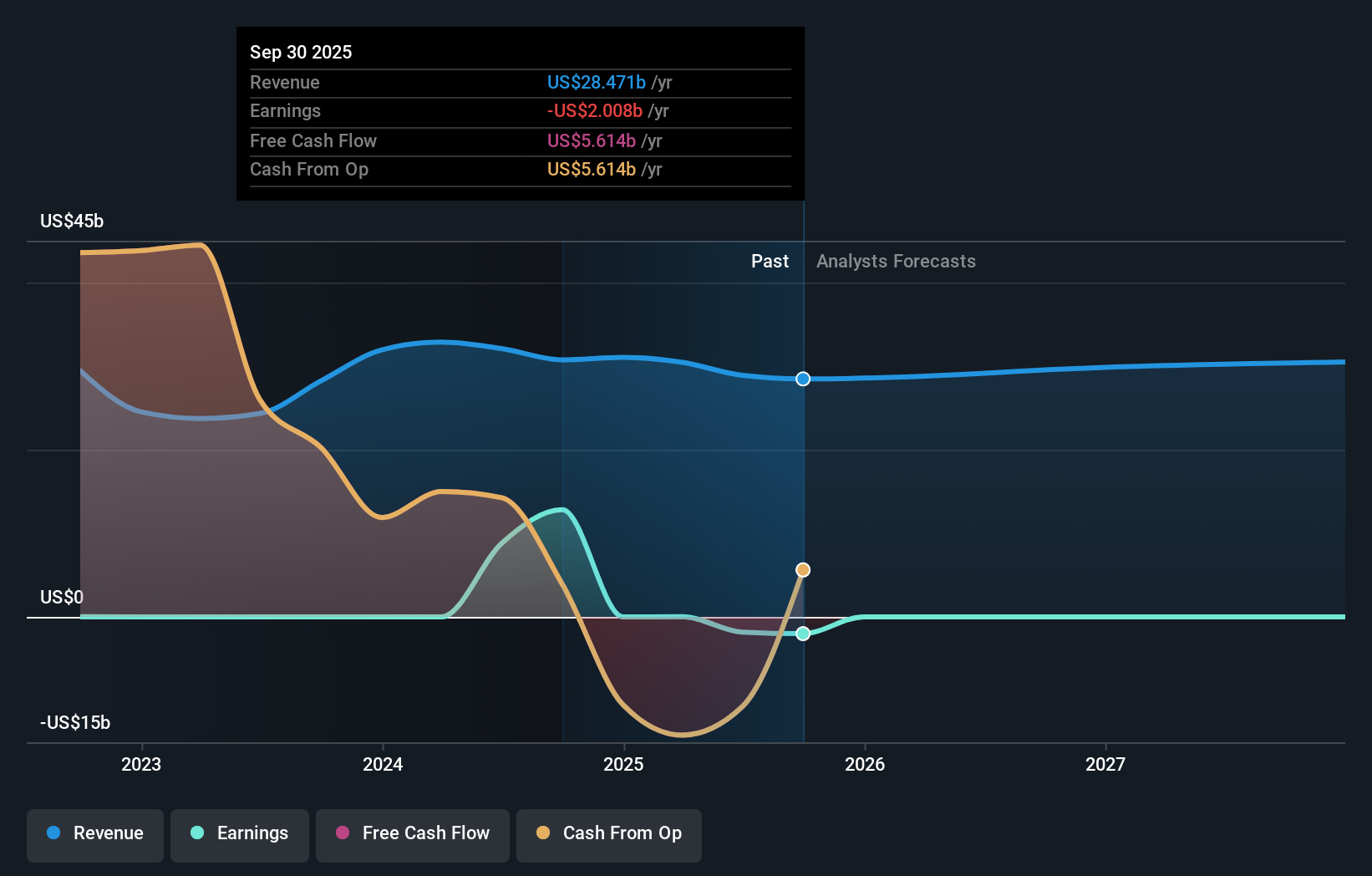
The directive effectively asks Fannie Mae to take on a larger role as a buyer of mortgage backed securities, which can compress spreads and lower mortgage rates. That can support higher refinancing volumes and new originations flowing through its guarantee business, even as 2025 net income of US$14,364 million was below the prior year’s US$16,978 million. Higher activity can help fee income, but it also increases exposure to policy risk, since earnings are now more closely linked to a specific White House initiative. The recent AM Best update on credit risk transfer capital charges is relevant here, because CRT structures such as CIRT remain a key tool for Fannie Mae to distribute mortgage credit risk to insurers and capital markets investors. If the US$200 billion injection extends balance sheet usage or concentrates risk, investors are likely to focus more on how effectively Fannie Mae uses CRT to manage unexpected losses, and how that interacts with its existing leverage, earnings volatility and interest rate sensitivity compared with peers such as Freddie Mac, JPMorgan’s mortgage operations or Wells Fargo’s mortgage activities.
The Risks and Rewards Investors Should Consider
- ⚠️ Debt is not well covered by operating cash flow, so expanding support for mortgage liquidity could increase sensitivity to funding conditions and cash generation.
- ⚠️ Earnings are forecast to decline by an average of 150.1% per year for the next 3 years, which may limit flexibility if the policy driven boost to mortgage activity proves temporary.
- 🎁 Earnings grew by 200% over the past year, showing the business can produce very strong profit swings when conditions and volumes line up.
- 🎁 Trading at good value compared to peers and industry and at 91.6% below one estimate of fair value, the stock may already reflect several of the policy and credit risks that concern investors.
What To Watch Going Forward
You will want to watch how quickly the US$200 billion is deployed, how much of it flows into new originations versus refinancing, and what that does to guarantee fees and credit quality in Fannie Mae’s book. The next few quarters of results, including commentary on CRT usage and capital, should give you a clearer view of whether this policy support is improving risk adjusted profitability or simply adding balance sheet exposure. It is also worth tracking any follow up guidance from regulators or the White House that could change the terms, duration or scale of Fannie Mae’s role in supporting mortgage liquidity.
To ensure you're always in the loop on how the latest news impacts the investment narrative for Federal National Mortgage Association, head to the community page for Federal National Mortgage Association to never miss an update on the top community narratives.
This article by Simply Wall St is general in nature. We provide commentary based on historical data and analyst forecasts only using an unbiased methodology and our articles are not intended to be financial advice. It does not constitute a recommendation to buy or sell any stock, and does not take account of your objectives, or your financial situation. We aim to bring you long-term focused analysis driven by fundamental data. Note that our analysis may not factor in the latest price-sensitive company announcements or qualitative material. Simply Wall St has no position in any stocks mentioned.