


Please use a PC Browser to access Register-Tadawul
Get It
Innventure, Inc.'s (NASDAQ:INV) last week's 21% decline must have disappointed individual investors who have a significant stake
Innventure, Inc. INV | 3.33 3.33 | +6.89% 0.00% Pre |
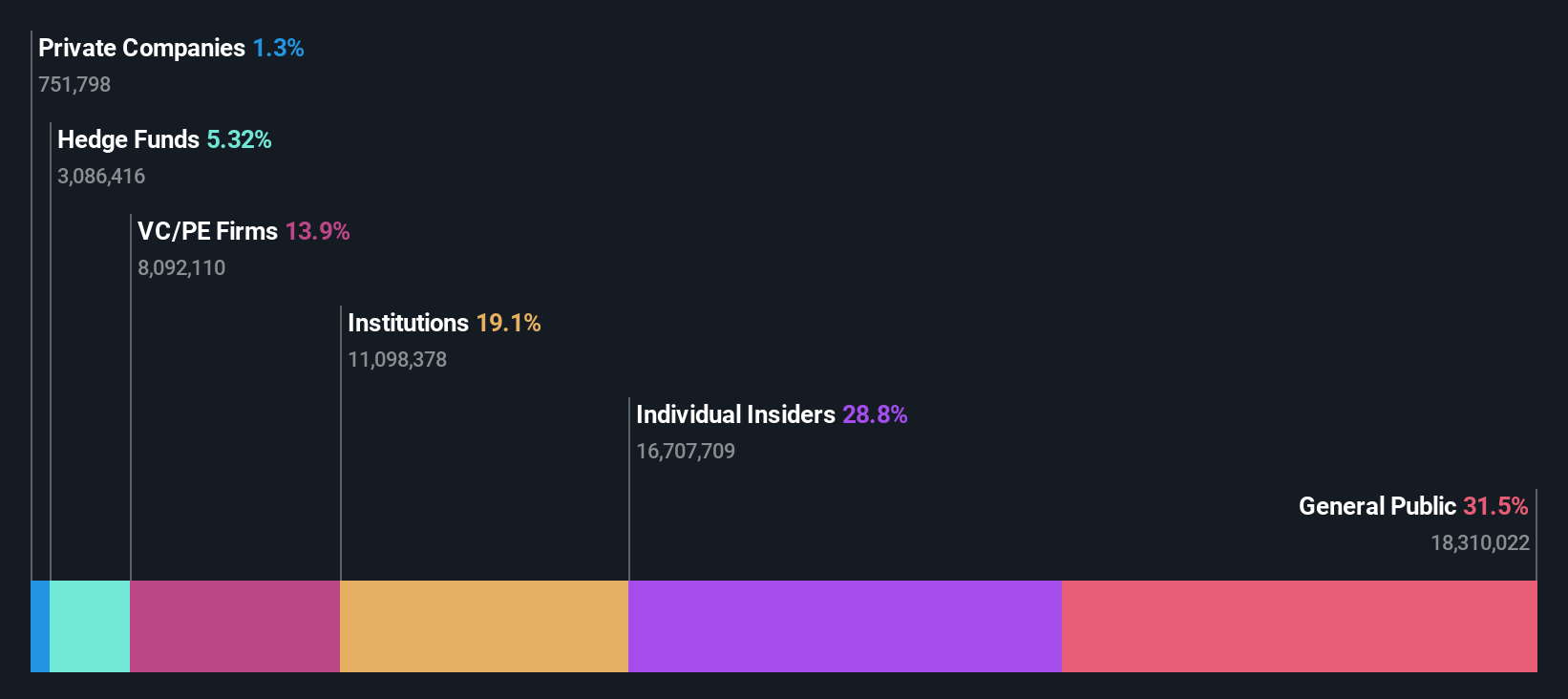
Every investor in Innventure, Inc. (NASDAQ:INV) should be aware of the most powerful shareholder groups. And the group that holds the biggest piece of the pie are individual investors with 32% ownership. Put another way, the group faces the maximum upside potential (or downside risk).
While insiders, who own 29% shares weren’t spared from last week’s US$49m market cap drop, individual investors as a group suffered the maximum losses
Let's take a closer look to see what the different types of shareholders can tell us about Innventure.
Institutional investors commonly compare their own returns to the returns of a commonly followed index. So they generally do consider buying larger companies that are included in the relevant benchmark index.
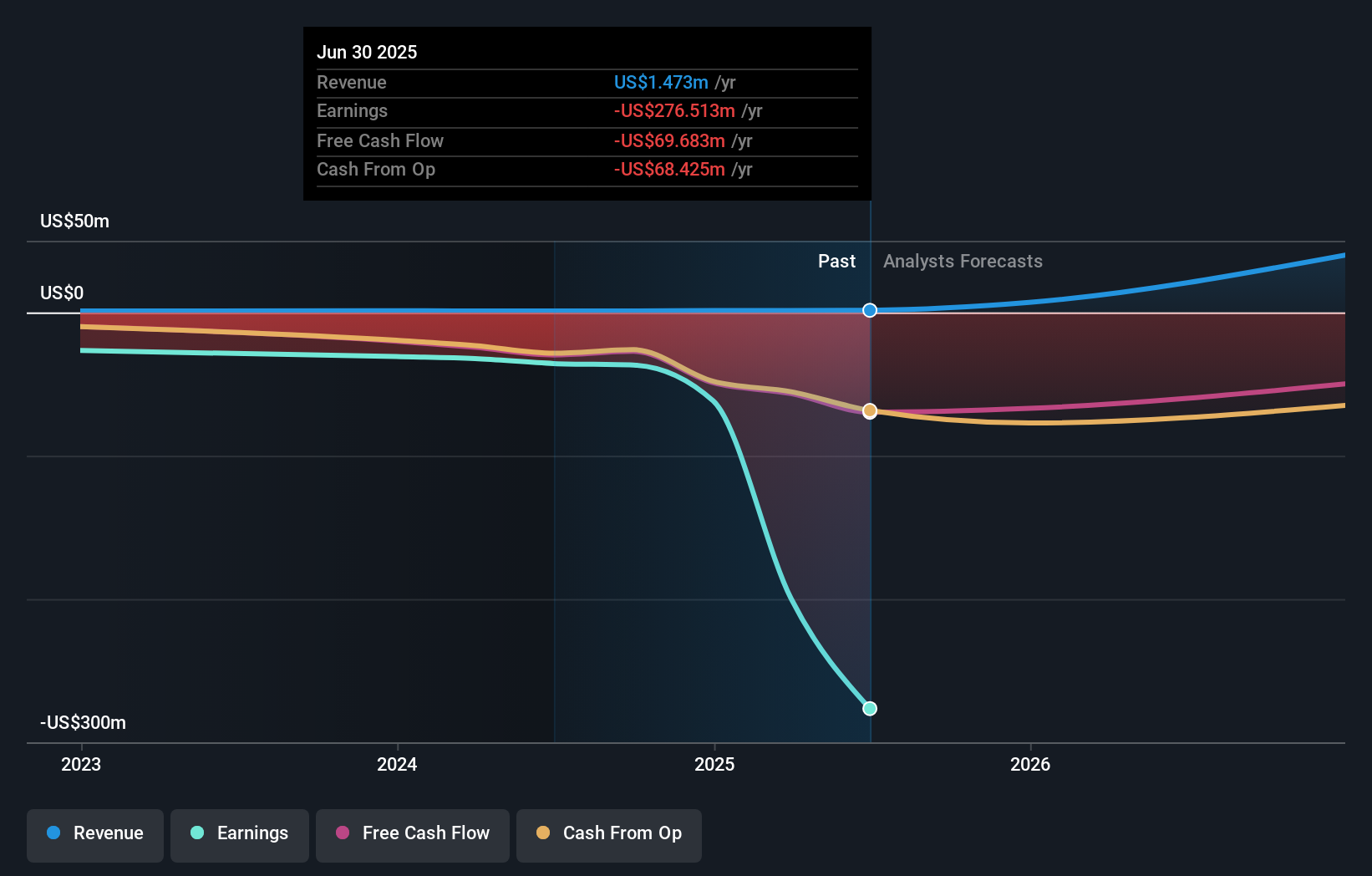
As you can see, institutional investors have a fair amount of stake in Innventure. This can indicate that the company has a certain degree of credibility in the investment community. However, it is best to be wary of relying on the supposed validation that comes with institutional investors. They too, get it wrong sometimes. It is not uncommon to see a big share price drop if two large institutional investors try to sell out of a stock at the same time. So it is worth checking the past earnings trajectory of Innventure, (below). Of course, keep in mind that there are other factors to consider, too.
It looks like hedge funds own 5.3% of Innventure shares. That worth noting, since hedge funds are often quite active investors, who may try to influence management. Many want to see value creation (and a higher share price) in the short term or medium term. The company's largest shareholder is Wasson Enterprise, LLC, with ownership of 14%. James Donnally is the second largest shareholder owning 13% of common stock, and Ascent Capital Partners, LLC holds about 9.4% of the company stock. In addition, we found that Gregory Haskell, the CEO has 1.3% of the shares allocated to their name.
Our research also brought to light the fact that roughly 51% of the company is controlled by the top 5 shareholders suggesting that these owners wield significant influence on the business.
While it makes sense to study institutional ownership data for a company, it also makes sense to study analyst sentiments to know which way the wind is blowing. There are plenty of analysts covering the stock, so it might be worth seeing what they are forecasting, too.
The definition of an insider can differ slightly between different countries, but members of the board of directors always count. The company management answer to the board and the latter should represent the interests of shareholders. Notably, sometimes top-level managers are on the board themselves.
Most consider insider ownership a positive because it can indicate the board is well aligned with other shareholders. However, on some occasions too much power is concentrated within this group.
It seems insiders own a significant proportion of Innventure, Inc.. It has a market capitalization of just US$214m, and insiders have US$62m worth of shares in their own names. This may suggest that the founders still own a lot of shares. You can click here to see if they have been buying or selling.
The general public, who are usually individual investors, hold a 32% stake in Innventure. While this group can't necessarily call the shots, it can certainly have a real influence on how the company is run.
With an ownership of 14%, private equity firms are in a position to play a role in shaping corporate strategy with a focus on value creation. Some investors might be encouraged by this, since private equity are sometimes able to encourage strategies that help the market see the value in the company. Alternatively, those holders might be exiting the investment after taking it public.
I find it very interesting to look at who exactly owns a company. But to truly gain insight, we need to consider other information, too.
Ultimately the future is most important. You can access this free report on analyst forecasts for the company.
NB: Figures in this article are calculated using data from the last twelve months, which refer to the 12-month period ending on the last date of the month the financial statement is dated. This may not be consistent with full year annual report figures.
This article by Simply Wall St is general in nature. We provide commentary based on historical data and analyst forecasts only using an unbiased methodology and our articles are not intended to be financial advice. It does not constitute a recommendation to buy or sell any stock, and does not take account of your objectives, or your financial situation. We aim to bring you long-term focused analysis driven by fundamental data. Note that our analysis may not factor in the latest price-sensitive company announcements or qualitative material. Simply Wall St has no position in any stocks mentioned.