

Meta Patent Dispute Puts Smart Glasses And AR Ambitions Under Scrutiny
Meta Platforms META | 0.00 |
- Solos Technology has filed a patent infringement lawsuit against Meta Platforms (NasdaqGS:META) over smart glasses technology.
- The complaint targets Meta's Ray-Ban smart glasses and claims infringement of multiple Solos patents tied to audio, sensing, and real-time user interaction.
- Solos is seeking significant damages and an injunction that could affect Meta's wearables business and broader platform plans.
- The lawsuit also cites alleged internal awareness at Meta of Solos' patents before the Ray-Ban smart glasses were developed.
For investors watching Meta Platforms, the case highlights how central wearables and smart glasses have become to the company's broader ambitions beyond social media. Meta has been putting more emphasis on hardware, mixed reality, and new interfaces that sit on top of its social and messaging apps, and smart glasses are part of that push. A legal challenge that focuses directly on the core technology behind these products can be important for understanding risk in this part of the business.
Patent litigation around emerging consumer hardware is common, but a case that targets core functions like audio, sensing, and real-time interaction can carry extra weight. As this lawsuit progresses, the key questions for you will be how any potential remedies, licensing terms, or product changes might influence Meta's ability to keep building out its Ray-Ban smart glasses line and related services.
Stay updated on the most important news stories for Meta Platforms by adding it to your watchlist or portfolio. Alternatively, explore our Community to discover new perspectives on Meta Platforms.
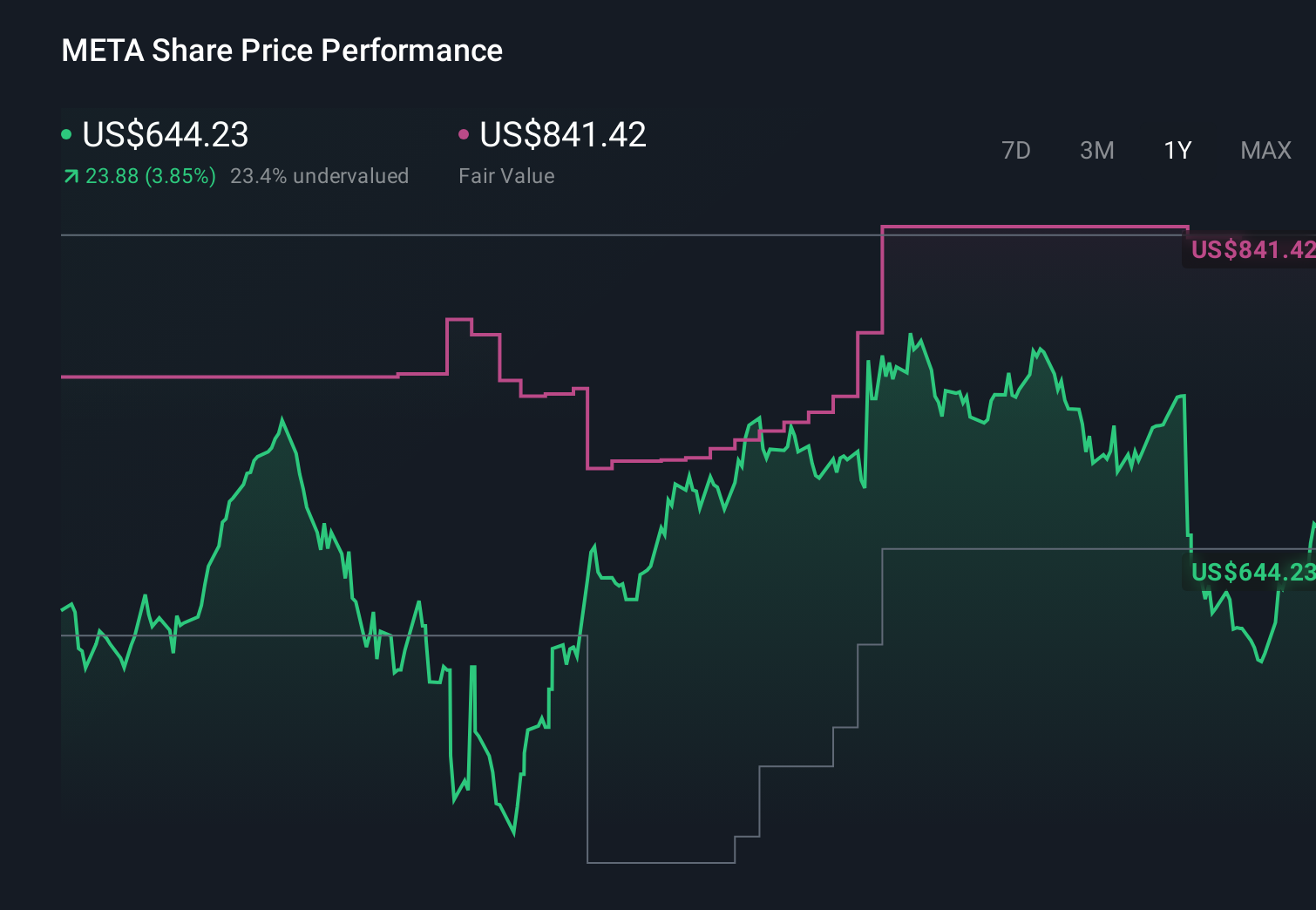
For Meta, this lawsuit sits in the middle of its push to make Ray-Ban smart glasses a key part of its hardware and AI story, alongside Meta Quest headsets and other wearables that feed into the same app ecosystem as Facebook and Instagram. Because the complaint targets platform-level architecture and real-time interaction features, any court-ordered changes, royalties, or injunctions could affect how Meta rolls out future smart-glasses features compared with rivals such as Apple and Alphabet.
How this fits the Meta Platforms narrative investors have been watching
Investor narratives around Meta already focus on heavy AI and hardware spending, Reality Labs losses, and the idea that AR glasses could help diversify away from pure ad revenue. A patent fight on smart-glasses technology speaks directly to that thesis. The complaint’s claim that Meta personnel previously reviewed Solos materials adds another layer of execution risk to Reality Labs at a time when management is shifting spending within that unit toward augmented-reality glasses.
Meta’s smart-glasses lawsuit: key risks and rewards
- ⚠️ Legal risk that a court-ordered injunction or licensing requirement could slow Ray-Ban smart glasses development or compress margins in that product line.
- ⚠️ Broader regulatory and legal pressure, including child-safety and privacy cases, could compound if this patent dispute results in material damages or adverse findings.
- 🎁 If Meta settles on manageable terms, it may gain clearer patent coverage for multimodal sensing and audio features that support long-term AR glasses plans.
- 🎁 The company’s strong cash generation and buyback history provide financial flexibility to absorb litigation costs without derailing AI and hardware investment plans.
What to watch next
As an investor, you may want to track early court rulings, any attempts by Solos to secure preliminary injunctions, and whether Meta discloses changes to smart-glasses product roadmaps or licensing expenses alongside its heavy AI and Reality Labs spending plans. For broader context on how this legal risk sits alongside AI, hardware, and advertising themes, you can check community narratives on Meta and see how other investors are thinking about the story.
This article by Simply Wall St is general in nature. We provide commentary based on historical data and analyst forecasts only using an unbiased methodology and our articles are not intended to be financial advice. It does not constitute a recommendation to buy or sell any stock, and does not take account of your objectives, or your financial situation. We aim to bring you long-term focused analysis driven by fundamental data. Note that our analysis may not factor in the latest price-sensitive company announcements or qualitative material. Simply Wall St has no position in any stocks mentioned.