
Airbnb Rethinks Growth With Regulated Apartments And Fraud Crackdown
Airbnb, Inc. ABNB | 124.95 | -0.19% |
- Airbnb (NasdaqGS:ABNB) is adjusting its business model in response to tighter regulations and shifting demand patterns.
- The company is promoting Airbnb friendly apartment buildings that allow legal short term rentals under building level rules.
- Airbnb is also increasing efforts to detect and remove fraudulent listings from its platform.
Airbnb runs a global short term rental platform that connects guests with hosts offering homes, rooms, and longer stays. As city level rules on short term rentals have become more restrictive in some markets, the company is looking for ways to keep supply available within local guidelines. At the same time, it is working to maintain user trust by focusing more on listing quality and authenticity.
For you as an investor, the key question is how these shifts affect Airbnb's ability to keep both hosts and guests engaged on the platform over time. The mix of Airbnb friendly apartments and tougher checks on fraudulent activity could influence how the business scales across different regions and how it competes with hotels and other rental options.
Stay updated on the most important news stories for Airbnb by adding it to your watchlist or portfolio. Alternatively, explore our Community to discover new perspectives on Airbnb.
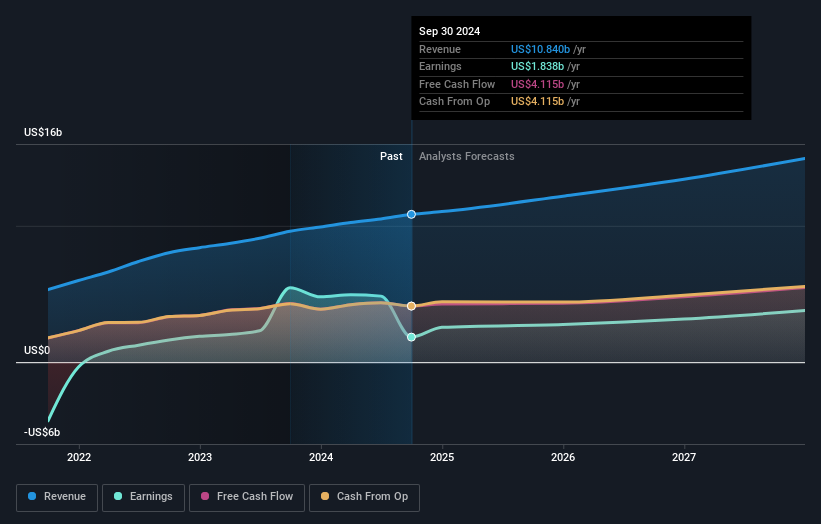
For Airbnb, leaning into Airbnb friendly apartment buildings looks like a way to keep listings available in tightly regulated cities while staying within local rules, which can help keep both guest choice and booking volume from being overly constrained by bans on standalone short term rentals. At the same time, a tougher stance on fraudulent listings is aimed at protecting trust, which is central to repeat usage and pricing power on a platform that relies on user reviews and host reputation.
Airbnb Narrative: Is the Growth Story Shifting?
Recent data points to nights and experiences booked growing 9.4% annually over the last two years and EBITDA and free cash flow margins of 36.4% and 37.8% respectively, so investors who see Airbnb as a scalable, asset light platform may view the regulatory response as part of protecting that high margin model rather than changing the core story. For those who frame Airbnb mainly as a pure short stay disruptor to hotels, the pivot toward regulated apartment supply could suggest a more blended model that sits somewhere between traditional multifamily rentals and classic home sharing.
Key Risks and Rewards to Keep in Mind
- High EBITDA margin of 36.4% and free cash flow margin of 37.8% give Airbnb room to invest in compliance tools, host incentives, and product features without relying solely on external funding.
- The 9.4% annual growth in nights and experiences over two years supports the idea that the platform can still attract both guests and hosts even as rules tighten in some markets.
- Heavier enforcement against fraudulent listings could temporarily reduce available supply in certain cities if a meaningful number of hosts are removed or exit the platform.
- Greater reliance on Airbnb friendly apartment partnerships may concentrate exposure in specific property owners or markets, which can matter if those partners change terms or local rules shift again.
What to Watch Next
From here, it is worth tracking how much booking activity moves into Airbnb friendly buildings, how overall supply trends in stricter cities, and whether guest satisfaction scores hold up as low quality or fraudulent listings are removed. For a broader sense of how different investors interpret these shifts for Airbnb's long term prospects, you can read what others are saying in the Community Narratives.
This article by Simply Wall St is general in nature. We provide commentary based on historical data and analyst forecasts only using an unbiased methodology and our articles are not intended to be financial advice. It does not constitute a recommendation to buy or sell any stock, and does not take account of your objectives, or your financial situation. We aim to bring you long-term focused analysis driven by fundamental data. Note that our analysis may not factor in the latest price-sensitive company announcements or qualitative material. Simply Wall St has no position in any stocks mentioned.