

Gold Stock Ideas After The July Jobs Shock
ALBILAD GOLD ETF 9405.SA | 0.00 | |
SPDR Gold GLD | 0.00 |
The shock July 2026 jobs report, with a loss of 23,000 roles instead of the expected 80,000 gain, has quickly reshaped expectations for the Federal Reserve and for markets. With wage growth stalling and the odds of a September rate hike easing, some stocks tied to interest rates and economic cycles look better placed, while others face fresh pressure. This article walks through three such stocks exposed to the news: two potential beneficiaries and one possible casualty.
SPDR Gold Shares (GLD)
SPDR Gold Shares is a US domiciled exchange traded fund that gives you direct exposure to the price of physical gold bullion held in trust. Rather than generating traditional operating revenue across business or geographic segments, the fund exists to mirror gold’s spot price in a liquid stock like wrapper. At a market cap of about US$141.3b, GLD is one of the largest gold backed ETFs in the world.
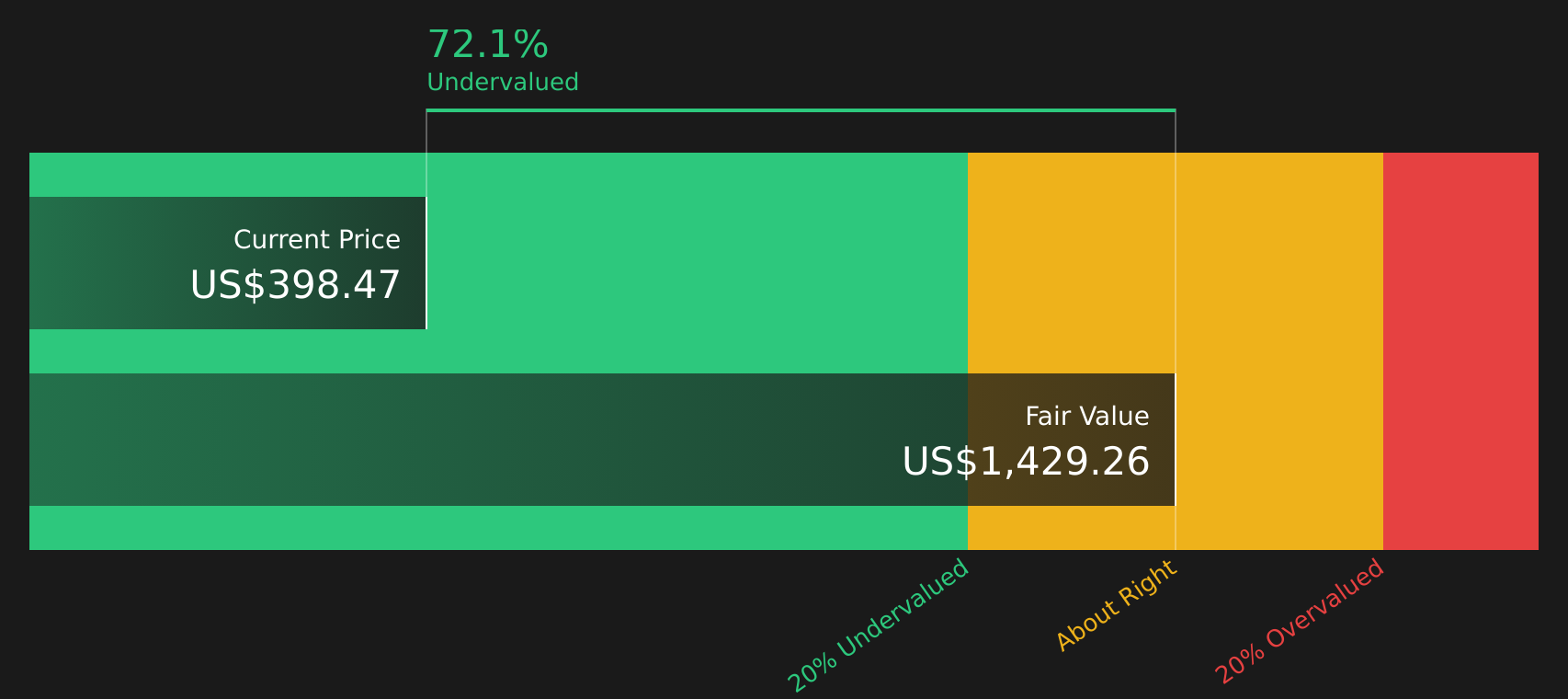
SPDR Gold Shares sits at the centre of this jobs driven macro story because it is tightly linked to gold prices, which often respond quickly when rate hike expectations soften. The ETF screens as heavily discounted to a DCF estimate of fair value, while also showing a very rapid multi year earnings growth rate, yet reported revenues remain close to zero and recent earnings have declined. Add in a relatively high return on equity and patchy governance disclosures, and you get a vehicle that offers scale and liquidity in gold exposure, but also some questions about funding structure and the quality of reported profits that are worth unpacking next.
SPDR Gold Shares now looks caught between an interest rate reset and questions about how those reported profits really stack up. To see how that puzzle fits together across valuation, balance sheet and risks, read the 1 key reward and 2 important warning signs (2 are major!)
Build your own gold and rate reset shortlist
SPDR Gold Shares and the two other stocks in this article all surfaced from a single Simply Wall St screen, but the real edge comes when you tailor the filters yourself. Use our flexible Screener to mix metrics like valuation, quality and risk, or lean on the ready made Investing Ideas for curated starting points.
iShares 20+ Year U.S. Treasury Bond Index ETF (TSX:XTLT.U)
iShares 20+ Year U.S. Treasury Bond Index ETF gives you exposure to long term U.S. Treasury bonds by tracking the ICE U.S. Treasury 20+ Year Bond Index through a full replication approach. The ETF was launched in 2023, is managed by BlackRock, and is domiciled in Canada. It is relatively small at about $2.6 million in market cap.
The shock jobs report immediately pushed investors toward long dated U.S. Treasuries, which tends to support an ETF like iShares 20+ Year U.S. Treasury Bond Index ETF that holds bonds with more than 20 years to maturity. The fund is still young with limited public history, it has recently reduced its monthly dividend, and several profitability and valuation metrics are hard to assess, so you are not getting a complete data picture yet. That mix of high interest rate sensitivity, a potential tailwind from a less aggressive Federal Reserve, and gaps in earnings and governance data is what makes this ETF worth a closer look for investors who want to understand how it might behave if rate expectations keep shifting.
iShares 20+ Year U.S. Treasury Bond Index ETF sits at the point where shifting Fed expectations meet incomplete data. Use the analyst forecasts for iShares 20+ Year U.S. Treasury Bond Index ETF to see how sentiment, income potential and those missing pieces really fit together.

Marriott International (MAR)
Marriott International runs one of the world’s largest hotel and lodging platforms, spanning luxury flags like Ritz Carlton and St. Regis through to mid scale brands such as Courtyard and Fairfield, plus residences, timeshares and even yachts. Most reported revenue currently comes from the U.S. & Canada at about US$3.6b, with Europe, Middle East and Africa contributing roughly US$1.2b, Asia Pacific excluding China about US$549m and Greater China around US$301m, alongside a US$2.8b segment adjustment. The company has a market cap of roughly US$93.8b.
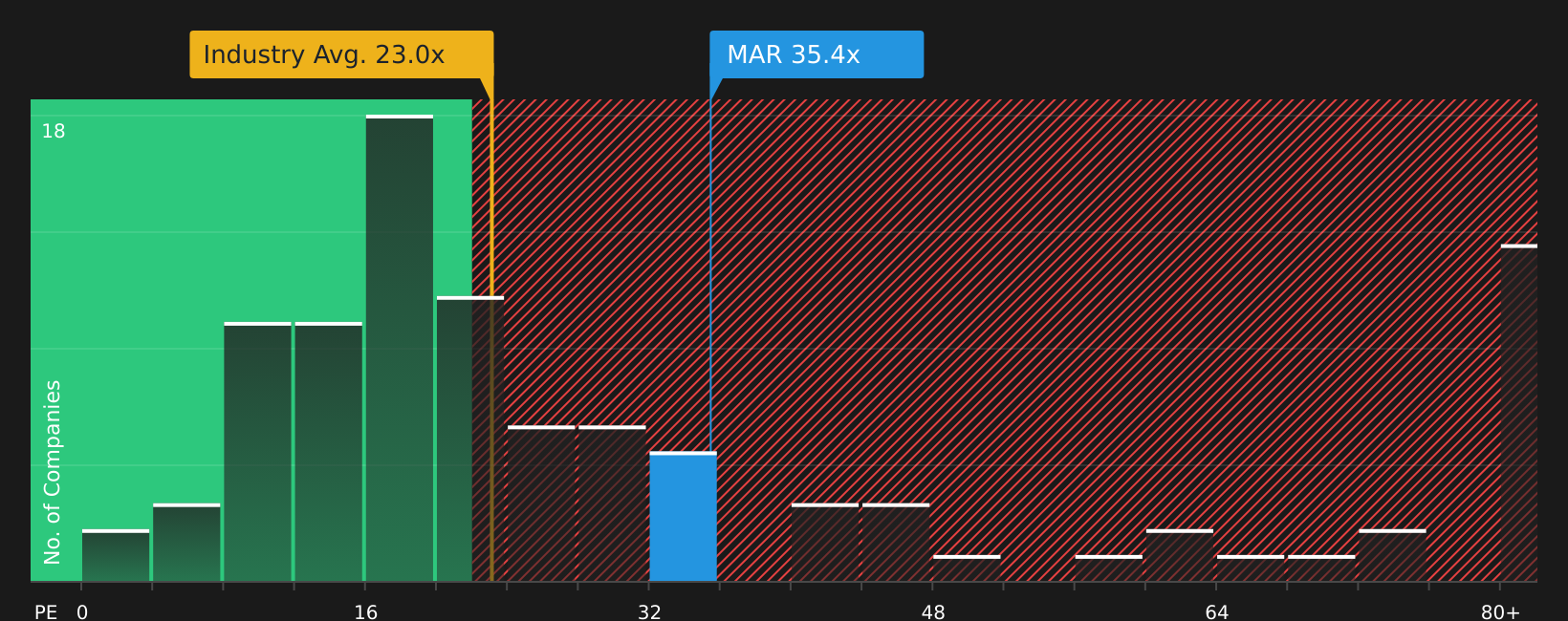
Marriott International sits at a point where a softer labor market and fragile consumer confidence can start to pinch travel budgets. The company is still signing new hotels and leaning on its large Bonvoy loyalty base. However, earnings growth has slowed, the stock trades on a premium P/E, and high debt plus liabilities that exceed assets leave little margin for error. Recent Middle East weakness, legal and labor disputes, and concerns about recession risk all suggest that even a well known global brand can face pressure if leisure and business travel cool together. Investors who assume Marriott will simply power through the July jobs shock may be overlooking several of the tougher questions ahead.
Marriott’s premium P/E and stretched balance sheet could be masking more pressure than the headline brand suggests. Before assuming the Bonvoy engine carries it through a weaker jobs market, read the 2 key rewards and 2 important warning signs
Seeking Fresh Alternatives Before They Run
Markets move fast and the stocks catching momentum today can be flying or dropping by tomorrow. Scan fresh ideas before the crowd, while it matters. Get in early.
- Spot established cash generators that still look overlooked by screening for a curated 51 high quality undervalued stocks hiding in plain sight while they are still under the radar for now.
- Zero in on future facing infrastructure by tracking a focused set of 55 AI infrastructure stocks riding the build out of computing capacity before valuations move away.
- Lock in income focused ideas by filtering a vetted group of 8 dividend fortresses that combine yield with resilience before yields get compressed by fresh demand.
This article by Simply Wall St is general in nature. We provide commentary based on historical data and analyst forecasts only using an unbiased methodology and our articles are not intended to be financial advice. It does not constitute a recommendation to buy or sell any stock, and does not take account of your objectives, or your financial situation. We aim to bring you long-term focused analysis driven by fundamental data. Note that our analysis may not factor in the latest price-sensitive company announcements or qualitative material. Simply Wall St has no position in any stocks mentioned.