
How a Money-Making Genius Lost Everything: Jesse Livermore's 8 Big Mistakes You Shouldn't Repeat
PowerShares QQQ Trust,Series 1 QQQ | 584.98 | +0.11% |
Tesla Motors, Inc. TSLA | 360.59 | -5.42% |
SAUDI ARAMCO 2222.SA | 27.60 | +0.15% |
LUBEREF 2223.SA | 109.80 | +0.46% |
Microsoft Corporation MSFT | 373.46 | +1.11% |
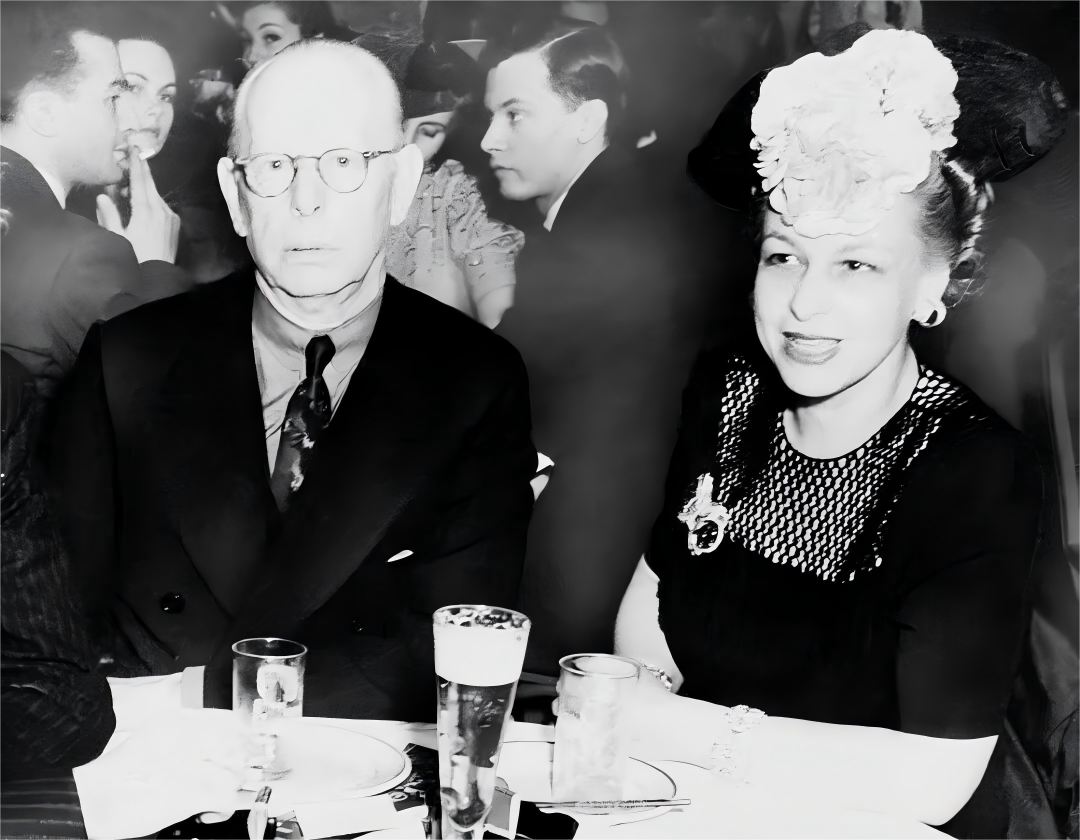
"A Trader Must Battle Many Costly Enemies Within." — Jesse Livermore
Jesse Livermore, a pioneer in the trading world, remains one of the most influential figures in market speculation. He was among the earliest trend traders, rule-based discretionary traders, and pure price action traders. A true trailblazer. Yet, his ultimate downfall was not due to his trading methods but rather other critical shortcomings. After studying books about this trading legend, as well as his own writings, I have distilled eight key reasons that I believe led to his eventual failure.
- Letting Losses Run:
Livermore repeatedly failed to cut his losses in time.
"I was utterly wrong. I held onto my losing cotton trade, yet I sold my profitable wheat trade too early. Among all the speculative errors, trying to average down on a losing position is the most fatal. Always sell what shows you a loss and keep what shows you a profit."
- Overtrading:
"What defeated me was not a lack of intelligence but my failure to stick to my own trading principles—to only enter trades that aligned with historical patterns."
- Listening to Tips and Opinions:
"As I gradually accepted his data and views, I began to doubt my previous judgment, thinking it was based on false information. This naturally led me to close my position. Once I closed my position because of Thomas's influence, I had to reverse and go long. This was my thought process."
"It cost me millions of dollars to realize that another dangerous enemy for a trader is the magnetic personality of a persuasive, talented individual."
- Risk of Ruin:
Livermore's repeated blowouts and personal bankruptcies suggest that he failed to grasp the mathematical concept of ruin risk, which is tied to win rates and the percentage of capital risked per trade. - Position Sizing:
While Livermore achieved staggering profits during key periods, his lack of a proper position-sizing model to control risk exposure likely led to repeated account blowups. His tendency to go all-in with leverage during his biggest wins made his account highly vulnerable to reversals. - Lack of Discipline:
In his writings, Livermore frequently hinted at his struggle to adhere to his own rules and advice. Whenever he deviated from his plan, losses inevitably followed. - Extravagant Lifestyle:
Livermore squandered his massive wealth on mansions, vacations, and lavish spending. He never set a financial goal that would allow him to retire and enjoy life. Instead, he continued trading aggressively with full leverage, risking it all again and again. - Psychological Collapse:
Ultimately, Livermore took his own life, a tragic end influenced by multiple factors. The stress of overtrading, financial ruin caused by his extravagant lifestyle, and personal emotional struggles likely combined to lead to his final breakdown.
For modern investors, Livermore's story serves as both an inspiration and a cautionary tale. His brilliance as a trader is undeniable, but his inability to manage risk, discipline, and personal well-being underscores the importance of a holistic approach to both trading and life.