
Lyft Safety Incident Highlights Rider Trust And Regulatory Risk Concerns
Lyft LYFT | 13.34 | +0.38% |
- A Lyft driver was arrested after serious allegations of assault and threats against a passenger.
- Lyft stated that the driver was removed from its platform and highlighted its existing safety protocols.
- The incident raises questions about rider protection, driver screening, and platform accountability for NasdaqGS:LYFT.
For a company like NasdaqGS:LYFT, which connects riders and drivers through an app, trust is a core part of the product. Any allegation of violent behavior by a driver touches the heart of the ride hailing model, where users rely on a platform to vet drivers and respond when something goes wrong. Across the broader sector, safety tools, incident reporting features, and partnerships with law enforcement have become central talking points.
For investors and regular riders, the key question is how effectively Lyft’s stated safety protocols work in practice when tested by serious cases like this. The company’s handling of such events, and any changes it makes afterward, can shape user confidence, regulatory scrutiny, and the costs associated with compliance and insurance over time.
Stay updated on the most important news stories for Lyft by adding it to your watchlist or portfolio. Alternatively, explore our Community to discover new perspectives on Lyft.
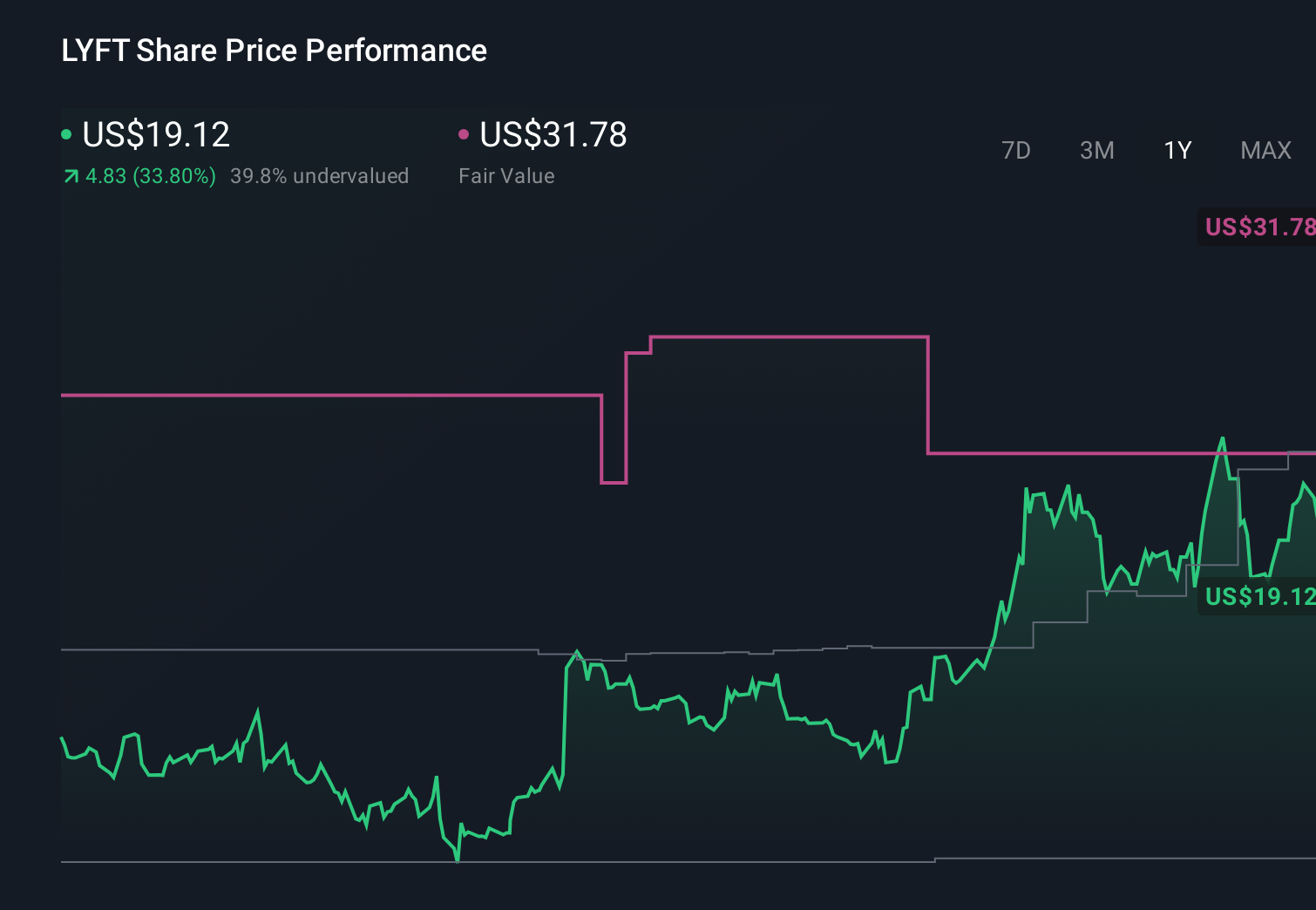
The reported assault and threats by a Lyft driver, combined with two earlier complaints tied to the same individual, put a spotlight on how effective Lyft’s driver screening and incident escalation processes are in real time, especially compared with peers like Uber and traditional taxi fleets. Lyft’s removal of the driver and cooperation with law enforcement address the immediate case, but investors may focus on whether policies such as continuous background checks and 24/7 reporting are catching repeat issues early enough to limit legal exposure, brand damage, and potential insurance or compliance costs.
How This Fits Into The Lyft Narrative
Both the more optimistic and more cautious Lyft narratives already highlight regulatory risk and execution on product and marketplace quality as key themes. This incident sits directly in that conversation. The recent appointment of former National Transportation Safety Board chair Deborah Hersman to Lyft’s board, and her role on the Nominating and Corporate Governance Committee, gives the company an experienced safety voice at board level who may influence how Lyft responds to events like this and shapes longer term safety governance compared with competitors such as Uber and emerging autonomous players like Waymo.
Risks and Rewards In Focus
- ⚠️ Heightened regulatory attention on rider protection could lead to tighter rules for background checks, data sharing, or reporting, adding compliance and monitoring costs.
- ⚠️ Civil litigation, victim support, or class actions tied to safety incidents can create legal expenses and management distraction that weigh on Lyft’s focus relative to Uber and other mobility rivals.
- 🎁 Stronger board level safety oversight and clearer protocols, if executed well, may support rider and driver confidence and help sustain active user numbers over time.
- 🎁 If Lyft can show that issues are promptly addressed and processes improved, it may support long term relationships with corporate, healthcare, and venue partners that value credible safety frameworks.
What To Watch Next
Looking ahead, you may want to watch for any regulatory investigations, policy updates, or public safety reports from Lyft, as well as how frequently similar incidents are disclosed relative to Uber and other ride platforms. For a broader sense of how investors and analysts are weighing these safety and regulatory questions against Lyft’s growth story, check community narratives on the company’s dedicated page by following this link to the latest community views.
This article by Simply Wall St is general in nature. We provide commentary based on historical data and analyst forecasts only using an unbiased methodology and our articles are not intended to be financial advice. It does not constitute a recommendation to buy or sell any stock, and does not take account of your objectives, or your financial situation. We aim to bring you long-term focused analysis driven by fundamental data. Note that our analysis may not factor in the latest price-sensitive company announcements or qualitative material. Simply Wall St has no position in any stocks mentioned.