Market Sentiment Indicators - Jan. 6th, 2026
Chevron Corporation CVX | 198.97 | +0.79% |
Exxon Mobil Corporation XOM | 160.69 | -0.06% |
Lockheed Martin Corporation LMT | 622.79 | +0.83% |
NVIDIA Corporation NVDA | 177.39 | +0.93% |
S&P 500 index SPX | 6582.69 | +0.11% |
The U.S. stock market is being pushed higher by two main forces. First, a surprising geopolitical event—the U.S. action in Venezuela—has been seen as a potential business opportunity for U.S. energy and defense companies, not a crisis. Second, the ongoing excitement around artificial intelligence (AI) continues to draw investors toward tech. However, everyone is also watching for the upcoming U.S. jobs data, which will be a big test for the market's current optimism.
Let’s take the market’s pulse this Tuesday morning.
The main reading from the Fear & Greed Index is 47 — dead neutral. That’s interesting, because just yesterday, the Dow Jones hit a new all-time high.
So why isn’t the market feeling more… greedy?
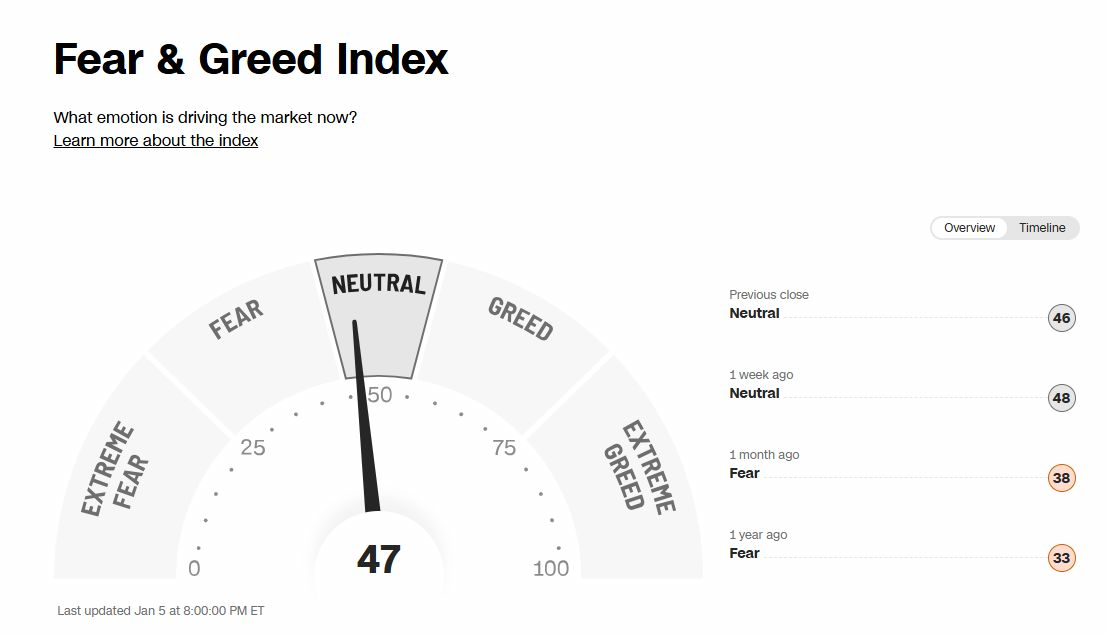
The answer is in the other charts.
They tell a story of a market that’s feeling two very different things at once. It’s split right down the middle.
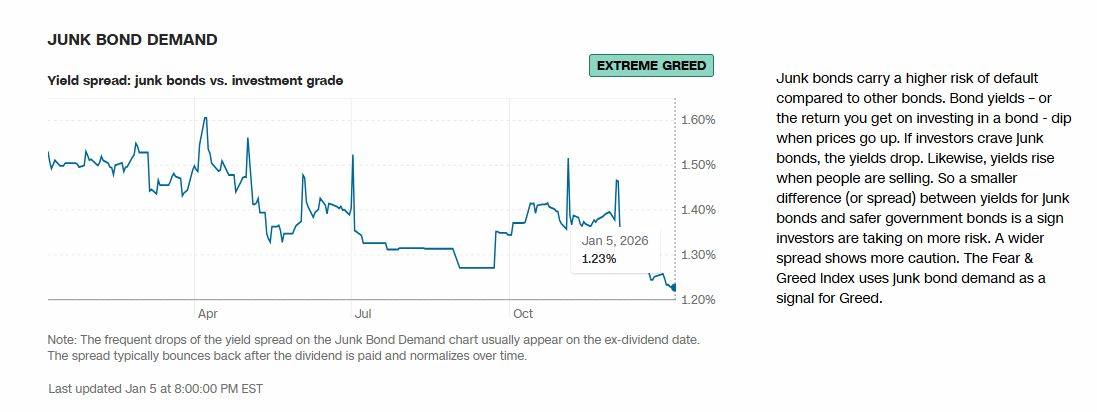
On one side, we have Extreme Greed. The "Junk Bond Demand" chart shows the yield spread between risky junk bonds and safer bonds is very low, at just 1.23%. When this spread is small, it means investors are so hungry for higher returns that they’re piling into the riskiest part of the bond market. This is a classic "risk-on" move, showing a lot of confidence.
But on the other side, we have clear signs of Fear.
So, what’s going on?
The news from Venezuela over the weekend gives us a clue. The initial reaction was pure "risk-on": energy stocks like Chevron Corporation(CVX.US) and Exxon Mobil Corporation(XOM.US) jumped, and defense stocks like Lockheed Martin Corporation(LMT.US) rose on hopes of new opportunities. This pushed the major indexes higher.
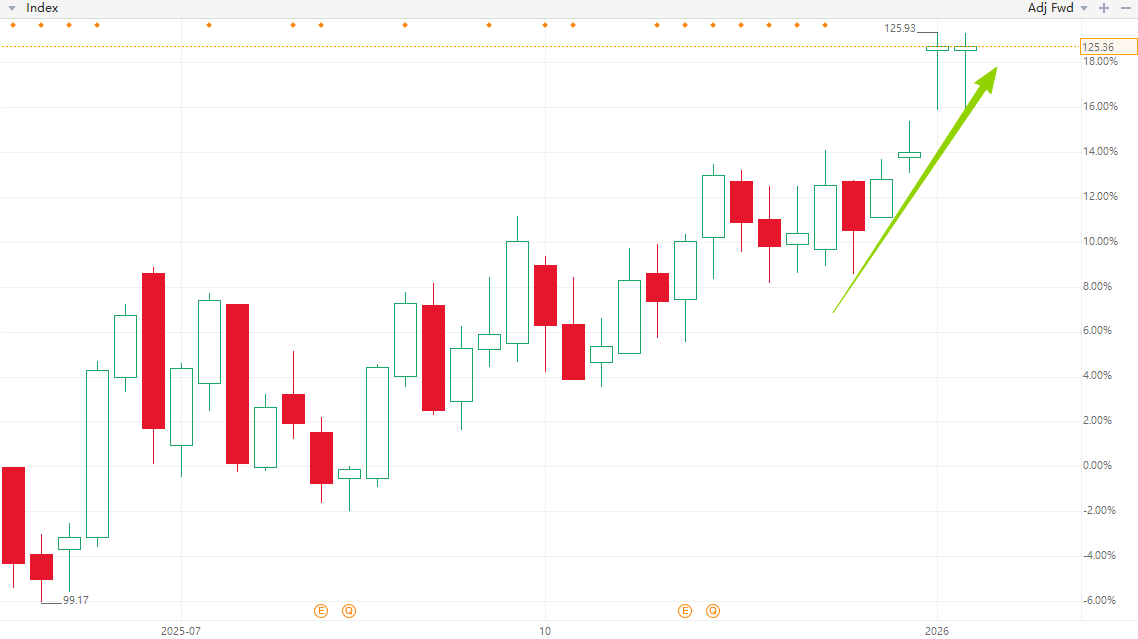
But the sentiment data today shows that initial excitement has cooled. Now, the market is thinking it through. Yes, there might be opportunity, but there is also uncertainty. How long will rebuilding take? What are the risks? Because of this, the overall market mood has settled into a cautious, watchful neutral.
Investors seem to be putting their money in two opposite places at the same time. Some are chasing high returns in risky junk bonds and in certain stock sectors (like energy and tech, with AI leaders like NVIDIA Corporation(NVDA.US) in focus). Others are playing defense, buying protective options and parking money in safer bonds and gold (which, according to the news, also rallied sharply yesterday).
Where is the money flowing? It’s flowing in several directions, reflecting this split personality:
In short, the market is in a tug-of-war. One side is optimistic, buying risk. The other is nervous, buying protection. This neutral, mixed feeling tells us that after a big headline-driven move, investors are now pausing. They are waiting for the next clue, likely from the upcoming jobs data, to decide which emotion—greed or fear—will take over next.
- To Insurance: The high put/call ratio shows money is being spent on portfolio protection.
- To Safety: Money is moving into Treasuries (shown by the low safe haven demand spread) and into traditional hedges like gold. The news confirms big inflows into precious metals.
- To High-Yield Credit: The "Extreme Greed" in junk bonds shows a powerful hunt for yield, pulling money into riskier corporate debt.
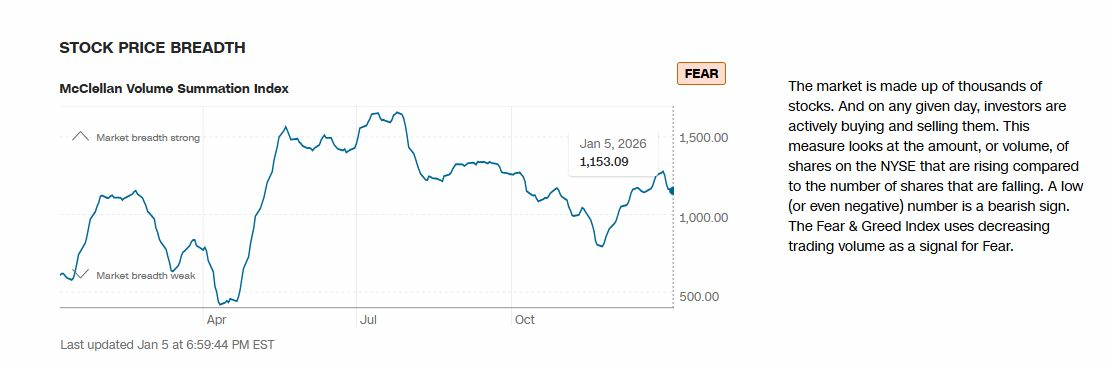
- Within Stocks: Towards specific, "story-driven" sectors like Energy and Defense (on Venezuela news) and Technology/AI (on long-term growth hopes). The gains are not broad-based, as the "Stock Price Breadth" indicator also points to Fear, suggesting a more selective rally.
Even more striking, the "Safe Haven Demand" indicator shows Extreme Fear. This measures how well safe U.S. Treasury bonds are doing compared to stocks over the past 20 days.
Right now, stocks are only beating bonds by a tiny 0.37%.
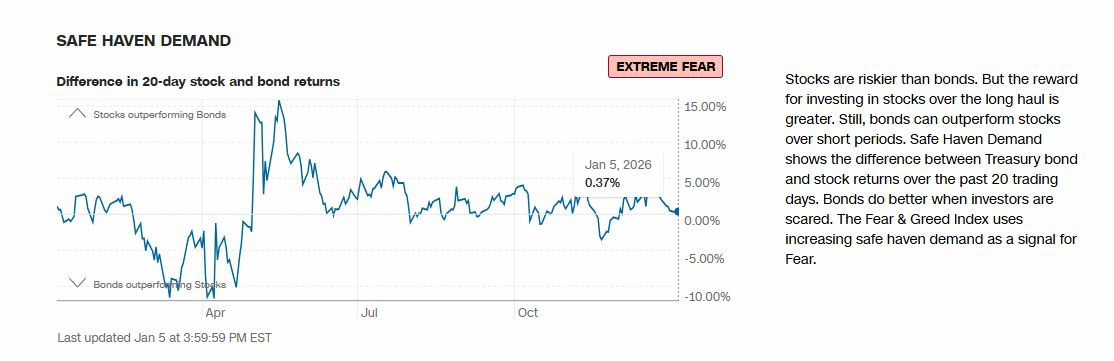
When this number is small, it means money is notrushing out of bonds and into stocks. Investors are happy to stay in safer bonds, which is a cautious move.
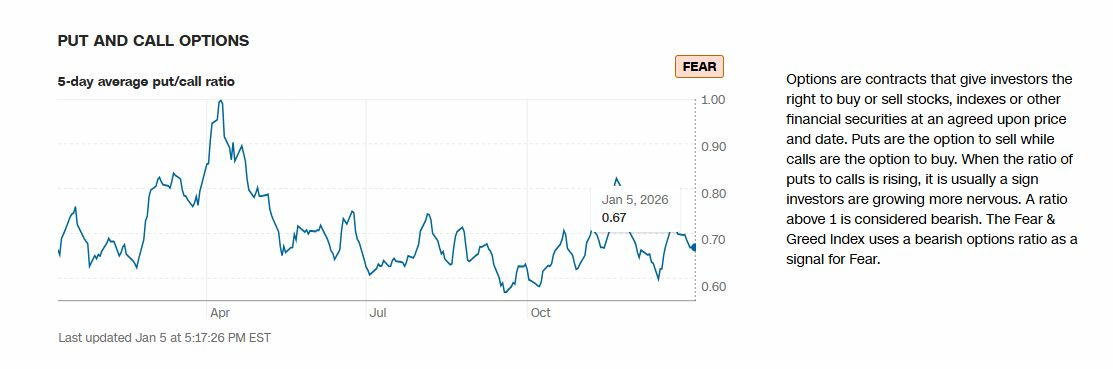
The "Put and Call Options" reading is in Fear territory. The put/call ratio is 0.67. This means investors are buying a lot of put options, which are like insurance policies against the market falling.
People are hedging their bets.