

The UAE Exit From OPEC: Oil Didn’t Crash, But for How Long?
Frontline Plc FRO | 0.00 | |
Valero Energy Corporation VLO | 0.00 | |
United States Oil Fund Lp Units USO | 0.00 | |
Spdr S&P Oil & Gas Explor & Product XOP | 0.00 | |
DHT Holdings, Inc. DHT | 0.00 |
The United Arab Emirates announced on the 28th that it will withdraw from the Organization of the Petroleum Exporting Countries (OPEC) and "OPEC+" starting from May 1, 2026.
Market Reaction: Surprisingly Resilient Oil Prices
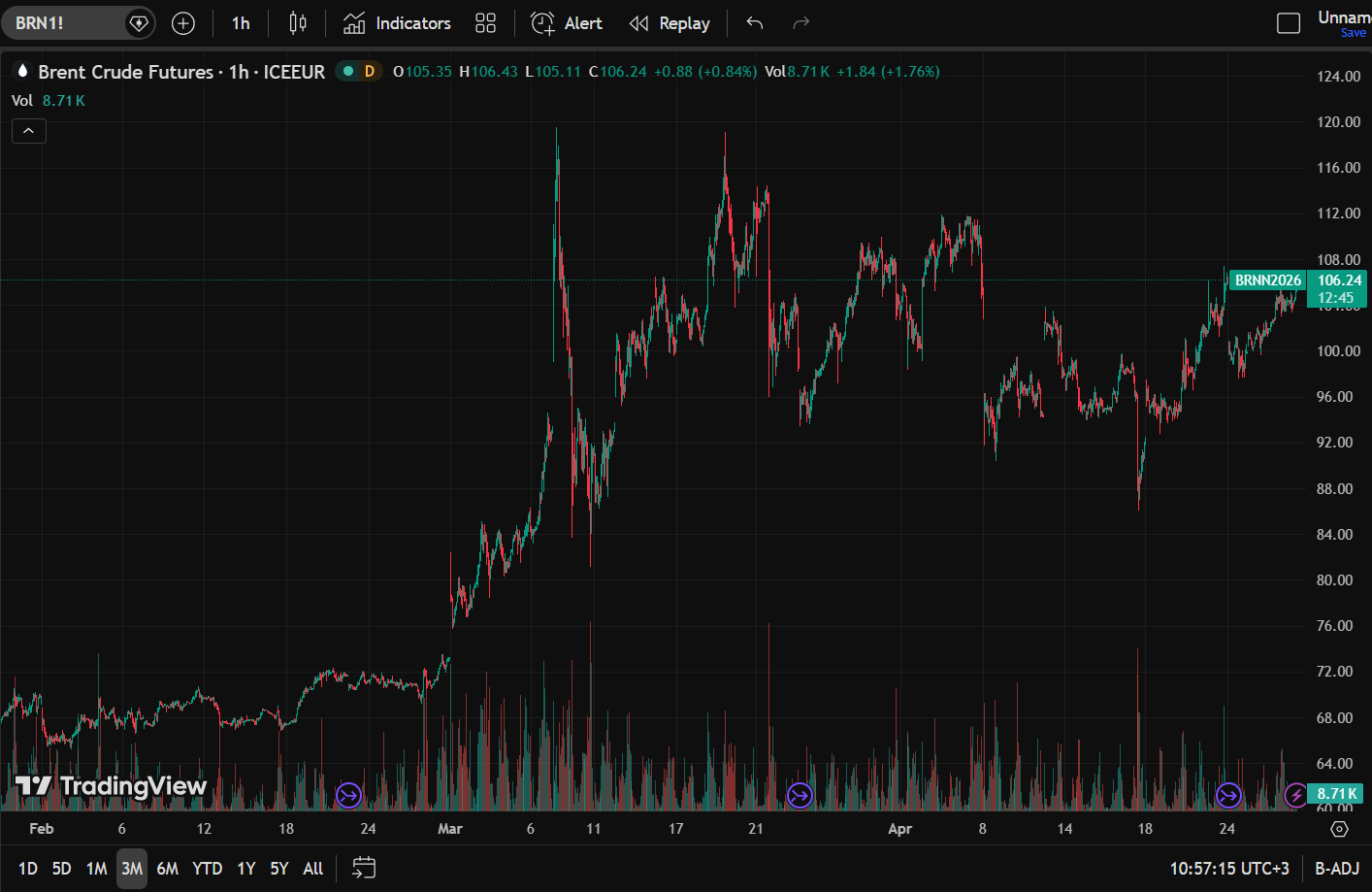
Despite the headline shock, oil markets showed limited downside reaction:
- Brent Crude remained above $100/barrel
- West Texas Intermediate held near key levels
This reflects two offsetting forces:
- Bullish: supply disruption, geopolitical risk, tighter flows
- Bearish: future UAE supply increase
Institutions have leaned toward the bullish side in the near term. Goldman Sachs Group, Inc.(GS.US), for instance, recently revised its oil forecasts higher, citing prolonged supply disruptions linked to geopolitical tensions.
Short-, Medium-, and Long-Term Impacts
Short Term (0–6 months)
- Supply disruptions dominate
- UAE cannot ramp output quickly
→ Oil prices supported, volatility elevated
Medium Term (6–24 months)
- UAE gradually increases output
→ Downward pressure on prices, rising dispersion
Analysts are already flagging potential “next movers.” According to Matt Smith from Kpler, countries like Kazakhstan and Nigeria—both facing internal incentives to maximize production—could be candidates to reconsider their commitments.
Long Term (2–5 years)
- Declining cartel control
- More fragmented pricing power
→ Oil enters a structurally more volatile regime
From a market structure perspective, Bob McNally, president of Rapidan Energy Group, emphasized that any erosion in discipline is likely to increase oil price volatility, rather than simply push prices in one direction.
At the same time, not all analysts see a collapse scenario. Claudio Galimberti of Rystad Energy highlighted that the organization has historically demonstrated strong crisis management capacity, suggesting the group may remain relevant even with fewer members.
Trading Implications: Where the Opportunities Are
From a market perspective, this shift creates clear, phase-based opportunities:
- Short term (bullish oil + logistics bottlenecks):
Favor oil exposure via United States Oil Fund and upstream equities, while oil tanker companies such as Frontline Plc(FRO.US) and Euronav NV(EURN.US) benefit from longer shipping routes and rising freight demand. - Medium term (supply normalization):
As UAE production ramps, consider fading oil price spikes and rotating into refiners like Valero Energy Corporation(VLO.US), which benefit from improved input costs. - Long term (market fragmentation):
Expect higher volatility—shifting strategies toward range trading and volatility plays, while selectively hedging with energy transition names such as NextEra Energy.
Clean Trade Summary
| Theme | Direction | Instruments |
|---|---|---|
| Geopolitical risk | Bullish oil | United States Oil Fund Lp Units(USO.US), Spdr S&P Oil & Gas Explor & Product(XOP.US) |
| Structural logistics shift | Strong bullish | Tankers (Frontline Plc(FRO.US), Euronav NV, DHT Holdings, Inc.(DHT.US)) |
| Quota breakdown | Medium-term bearish | Fade oil spikes |
| Refining margins | Bullish | Valero Energy Corporation(VLO.US), Marathon Petroleum Corporation(MPC.US) |
Oil Market Outlook: A Regime Shift Underway
The UAE’s exit signals more than a policy shift—it marks a transition in how oil markets function.
Key Takeaways:
- Short term: supply risk dominates → prices supported
- Medium term: rising supply → downward pressure
- Long term: fragmentation → structurally higher volatility
For investors, the key is no longer simply predicting direction—but identifying who benefits in a less controlled oil market.