

Entergy Stock And 2 Utility Picks for AI Power Demand
PG&E Corporation PCG | 0.00 |
AI hype just took a new turn with Anthropic preparing a massive IPO that could set a fresh benchmark for what investors are willing to pay for AI growth stories. Behind the headlines sits a quieter question about who powers the data centers these models depend on. This article walks through 3 stocks from a U.S. regulated utilities and grid infrastructure screener that appear positively exposed to that theme.
The utilities covered below are just a small sample from this theme, and the full screen surfaced 14 more regulated grid and power stocks with equally compelling narratives that are not included here. To see the broader field and identify which companies best fit your view on AI driven power demand, go straight to the U.S. Regulated Electric Utilities and Grid Infrastructure Plays screener.
Entergy (ETR)
Overview: Entergy is a vertically integrated U.S. electric utility that generates, transmits, and distributes power across Arkansas, Louisiana, Mississippi, and Texas, supplying electricity to about 3.1 million customers from around 25,000 megawatts of gas, nuclear, coal, hydro, and solar capacity. Its regulated, cost-plus model and growing ties to large data centers make it a direct play on the grid and power infrastructure that supports AI and industrial demand.
Operations: Entergy generates essentially all of its roughly US$13.4b in revenue from its Utility segment in the United States.
Market Cap: US$50.1b
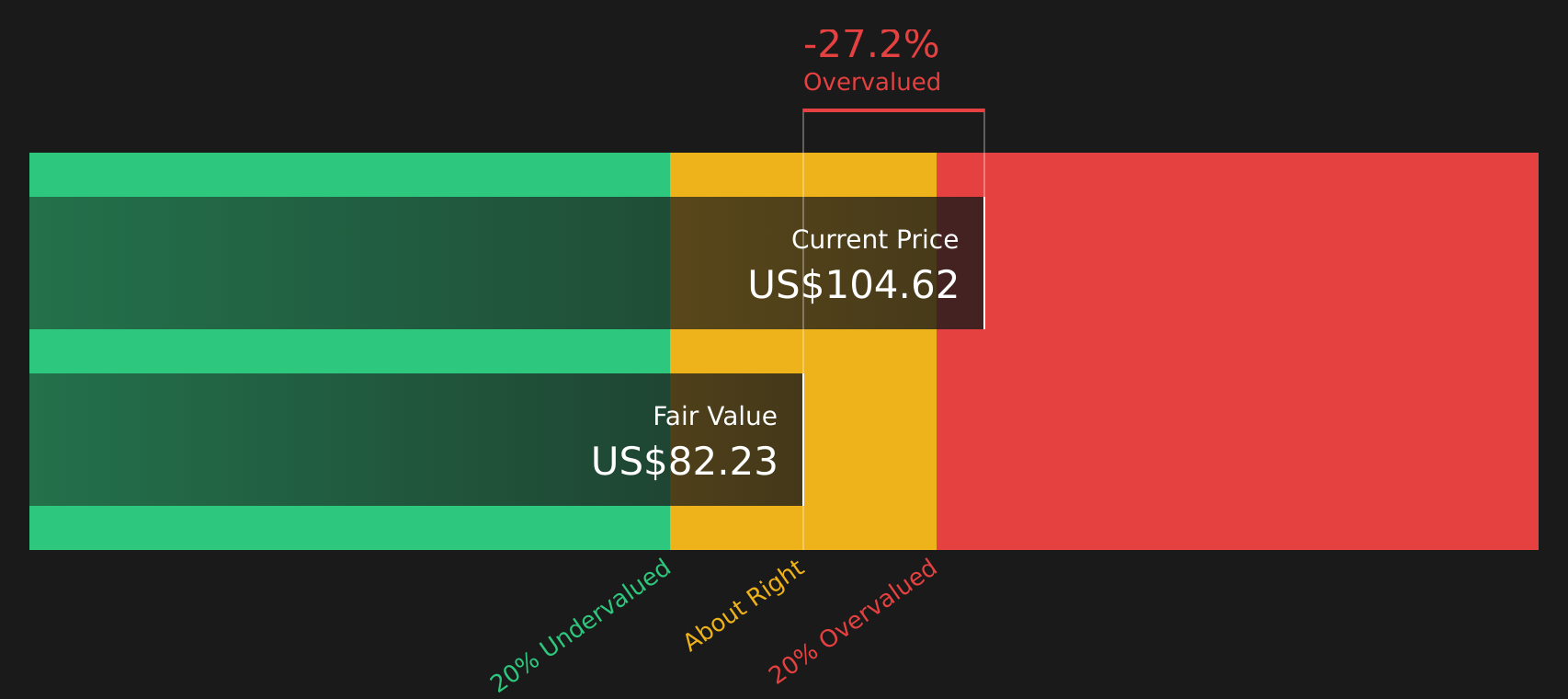
Entergy gives you a pure regulated-utility story that is plugged directly into potential data center and AI power demand, with management flagging 7 to 12 GW of possible data center load and several more GW from industrial customers in its Gulf South footprint. The Fair Share Plus structure, where large customers cover their incremental costs and pay a tariffed minimum bill, helps tie big capital projects to long-lived, cost-plus cash flows, but it also highlights how dependent the thesis is on supportive regulators and signed long-term contracts. At the same time, high capex needs, weaker free cash flow coverage of dividends, and meaningful leverage keep funding risk in focus. If you want a regulated grid player closely linked to AI infrastructure, Entergy is one to study more closely.
Entergy’s potential 7 to 12 GW data center load could reshape its long term cash flows, but the real story sits in how those projects interact with its balance sheet and funding needs in the Entergy financial health report
Build your own AI power grid shortlist
Entergy and the two other utilities in this article all came from a single Simply Wall St screen, but the real value is in setting your own rules. Use our flexible Screener to mix filters across valuation, balance sheet, future growth, risks and dividends, or start with any of our curated Investing Ideas.
Sempra (SRE)
Overview: Sempra is a regulated utilities and energy infrastructure company that supplies electricity and natural gas to millions of customers in California and Texas, while also owning large transmission lines, substations, and interconnections that keep those grids running. Its scale in Texas high voltage transmission and California gas and power networks gives Sempra direct exposure to the grid build out required to connect new generation, industrial users, and data centers that may support AI workloads.
Operations: Sempra generates most of its revenue from Sempra California at about US$11.7b, with a further US$2.0b from Sempra Infrastructure and a small amount of intersegment eliminations.
Market Cap: US$57.1b
For investors watching how AI driven power demand could feed into regulated utilities, Sempra offers a mix of large scale Texas transmission projects and California grid and gas investments that are already in the regulatory pipeline, rather than a pure bet on unproven data center deals. Management regularly highlights digital infrastructure demand and a sizeable queue of new generation in Texas, which could support additional rate based investment if regulators and policymakers remain supportive. At the same time, Sempra’s heavy capital spending, reliance on debt funding, wildfire and LNG project risks, and regulatory shifts in California and Texas keep the risk side of the equation significant. Investors interested in how this balance could develop may find Sempra a company worth studying in more detail.
Sempra’s regulated growth story in Texas and California grid projects often looks straightforward, yet the real puzzle lies in understanding how all those moving parts fit together in one detailed view in the 2 key rewards and 2 important warning signs (1 is major!)
PG&E (PCG)
Overview: PG&E is a major regulated utility that supplies electricity and natural gas across northern and central California, operating power plants, transmission lines, substations, and gas networks that keep one of the world’s largest tech and data center hubs running. Its grid, which spans everything from nuclear and hydro to gas and solar, is central to serving AI data centers and broader electrification in the state.
Operations: PG&E generates all of its approximately US$25.8b in revenue from the sale and delivery of electricity and natural gas to customers in the United States.
Market Cap: US$39.6b
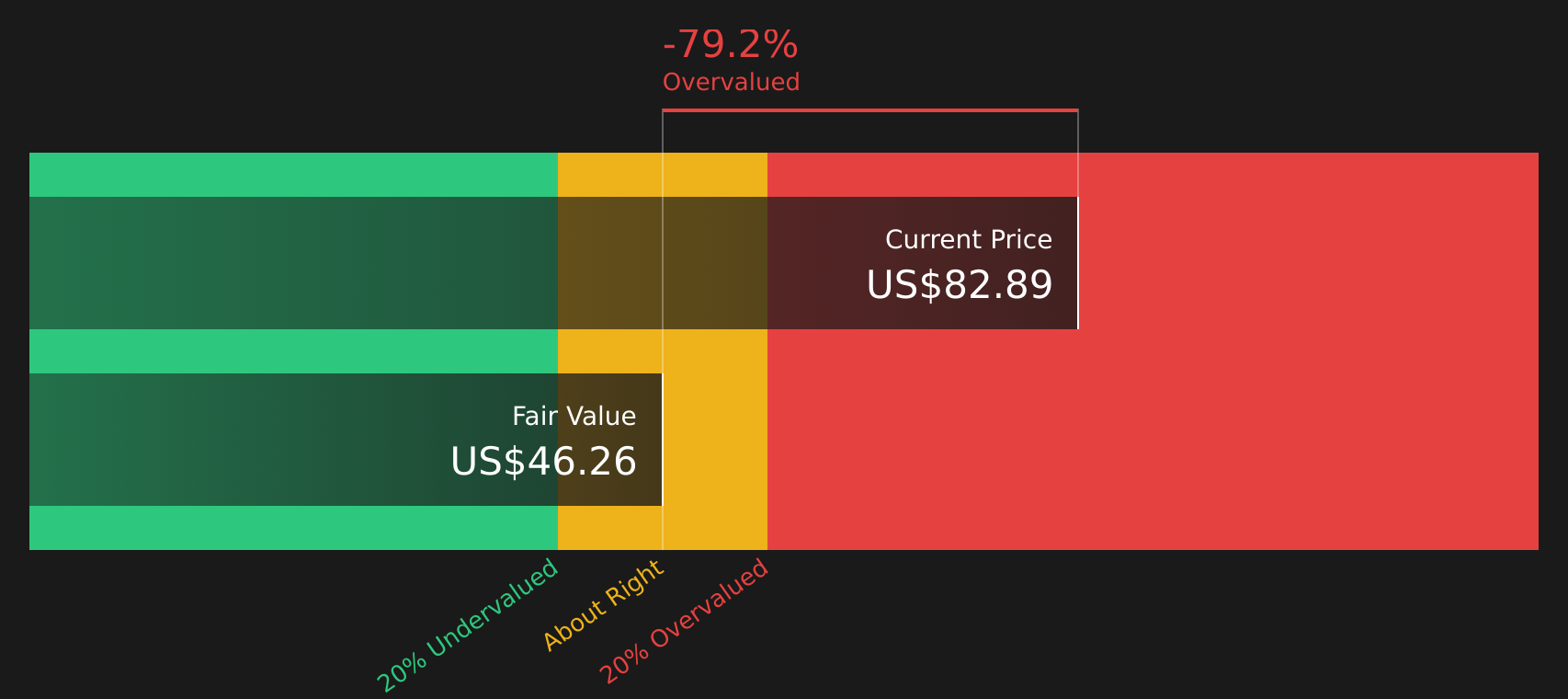
PG&E provides exposure to California’s AI and data center build out through a regulated grid that already supports a multi gigawatt data center pipeline, including projects tailored to AI inference workloads around Silicon Valley. The stock trades on a lower P/E than the broader utilities sector. Analysts also expect revenue and earnings to grow. This combination makes the current valuation worth a closer look alongside earnings quality and balance sheet strength. The catch is that the story is tightly linked to wildfire liability reform, regulatory decisions on cost recovery, and PG&E’s ability to manage heavy grid spending without over stretching its finances. How those pieces come together will influence whether this regulated AI power story continues to re rate from here.
PG&E’s rebounding grid story and lower P/E hint that investors may be missing a key twist in this regulated AI power play. The full picture sits inside the 5 key rewards and 2 important warning signs (1 is major!)

Seeking Alternatives Beyond AI Utilities?
Fresh stock ideas can move from quiet to flying once momentum builds. Use these under the radar for now lists before the crowd catches up and get in early.
- Spot companies aiming for durable cash flows and sturdy finances by scanning the curated list of solid balance sheet and fundamentals (50 results) while it still feels under the radar.
- Ride potential income momentum with a focused list of high yield candidates using the hand picked 12 dividend fortresses before yields adjust and opportunities start dropping.
- Catch potential early winners in grid supporting technology and electrification by running through the curated 39 power grid technology and infrastructure stocks while the theme is still building breakout interest.
This article by Simply Wall St is general in nature. We provide commentary based on historical data and analyst forecasts only using an unbiased methodology and our articles are not intended to be financial advice. It does not constitute a recommendation to buy or sell any stock, and does not take account of your objectives, or your financial situation. We aim to bring you long-term focused analysis driven by fundamental data. Note that our analysis may not factor in the latest price-sensitive company announcements or qualitative material. Simply Wall St has no position in any stocks mentioned.