

EU, Australia Seal Free Trade Deal After 8 Years Of Talks, Covering €89B
After eight years of negotiations, the European Union (EU) and Australia have concluded a landmark free trade agreement – one driven partly by concerns about US and Chinese trade policies.
The agreement eliminates over 99% of tariffs on EU exports to Australia. The deal scraps duties on nearly all Australian goods and critical minerals entering the EU. It opens the EU's high-income market of 450 million consumers.
It is the fourth-largest FTA the EU has ever concluded by tariff savings, behind only the UK, Mercosur, and India. The two sides already trade more than €89.2 billion in goods and services annually, supporting 460,000 jobs across the EU.
US tariff volatility and China's tightening export controls accelerated negotiations by reinforcing Europe's need for supply-chain diversification. The EU finalized free trade agreements with Indonesia in September 2025 and India in January 2026. It cemented three major Indo-Pacific agreements in rapid succession.
Source: Eurostat
"The EU and Australia may be geographically far apart, but we couldn't be closer in terms of how we see the world," Ursula von der Leyen, President of the European Commission, said. "We are sending a strong signal to the rest of the world that friendship and cooperation are what matter most in times of turbulence."
Formal negotiations began in June 2018 but stalled in October 2023. At that point, Australian Trade Minister Don Farrell demanded new beef and sheep meat export quotas. The EU negotiators described it as incompatible with their final offer.
They revived the talks again in 2025 in response to the Trump administration's imposition of tariffs across the globe. Von der Leyen and Australian Prime Minister Anthony Albanese signed the deal in Canberra on March 24.
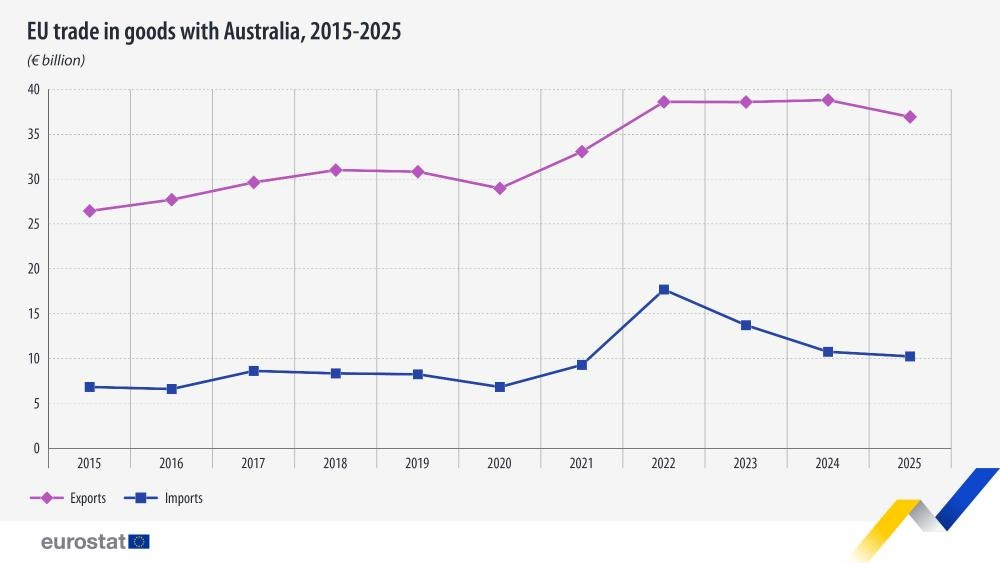
EU Runs Trade Surplus with Australia
The EU runs a goods trade surplus of €28 billion with Australia, exporting €37 billion in goods in 2025. The bloc imports just €10.7 billion in goods.
In services, the imbalance is equally pronounced. EU firms supplied €31 billion to Australian clients in 2024, against €11 billion flowing the other way.
About 97.6% of EU exports will be duty-free at entry into force. About 2% will have duties removed over a transition period of up to five years. For Australian exporters, 97.8% of goods will enter the EU duty-free once the agreement starts.
EU exports to Australia are expected to grow by as much as 33% over the next decade. They could reach up to €17.7 billion annually, according to the Latvian Ministry of Foreign Affairs. Tariff reductions will save EU exporters approximately €1 billion annually, it said.
EU Investment in Australia Could Surge
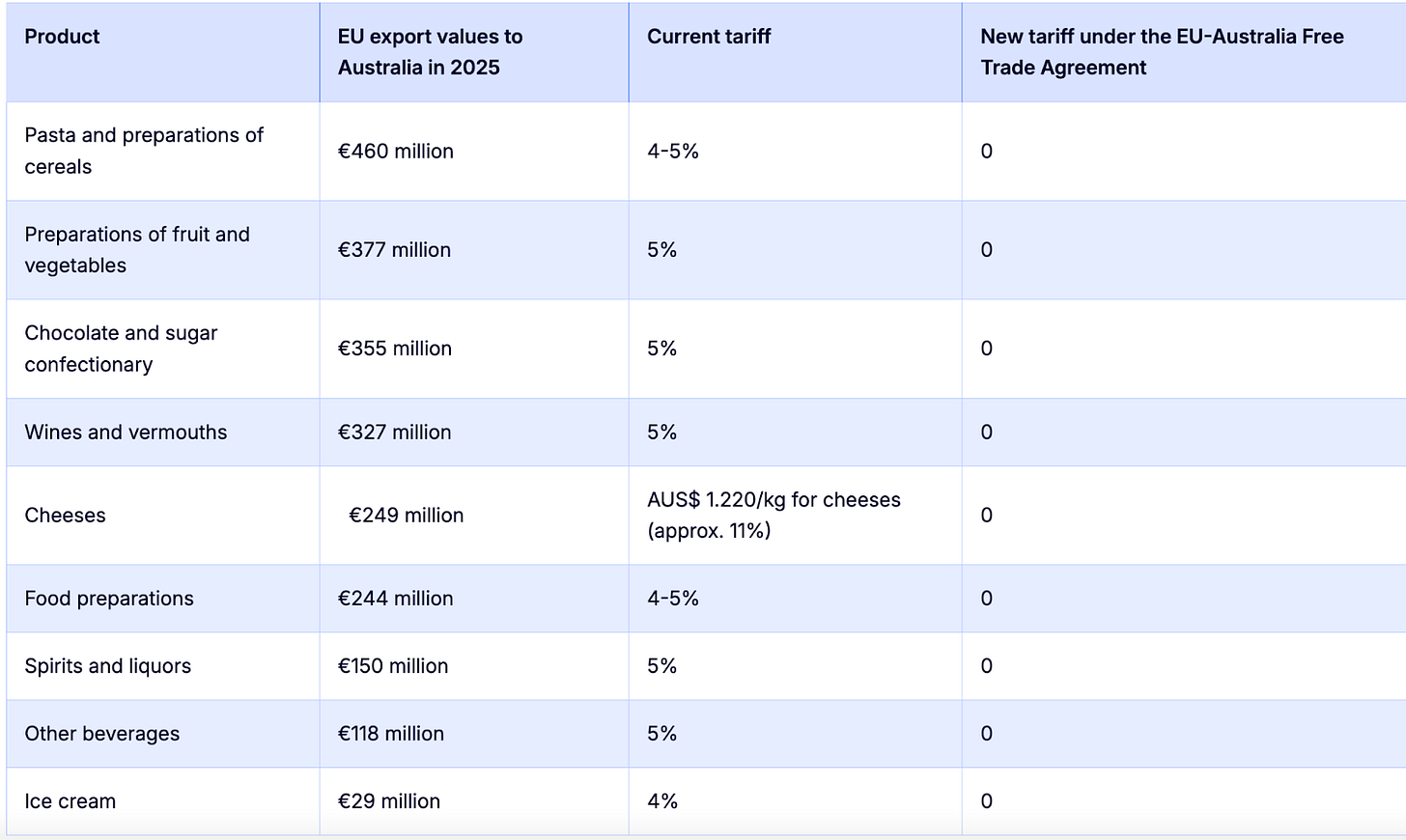
Key sectors with strong growth potential for the EU include dairy, expected to increase by up to 48%. The bloc’s motor vehicles exports could increase by 52% and chemicals by 20%.
EU investment in Australia has the potential to grow by over 87%. Australian tariffs on European wine, sparkling wine, chocolates, and fresh produce will fall to zero immediately.
Australia will also protect 165 EU geographical indications (GI) to create formal barriers against imitation products. Items range from Comté cheese to Irish whiskey.
Australia will raise its Luxury Car Tax threshold for EU-made electric vehicles to AUD 120,000. This effectively exempts approximately 75% of European EVs from the levy. In return, the EU will open new tariff rate quotas for Australian beef, lamb, sugar, and dairy.
Europe Repositions on Critical Minerals
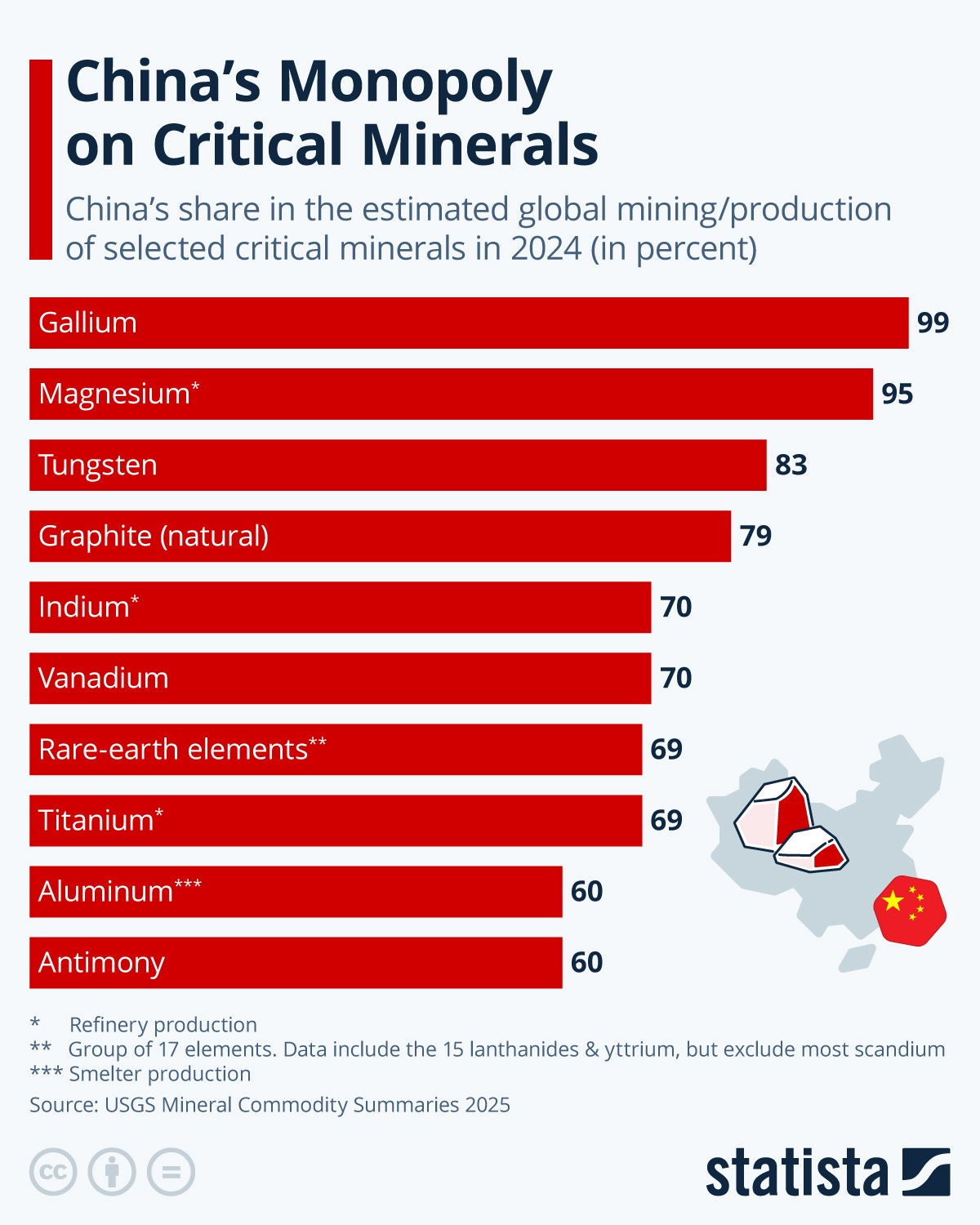
Critical minerals sit at the strategic heart of the agreement. China currently controls roughly 90% of global rare earth processing of minerals.
Beijing has tightened export controls on key resources over the past two years. This has left Europe scrambling to secure alternative supply chains as its green and digital transitions accelerate. The deal also aligns with the EU's broader push under the Critical Raw Materials Act to reduce strategic dependencies and secure long‑term industrial resilience.
"What has become clear in the past two years is that we should never be too dependent on other partners when it comes to critical raw materials," Holger Görg at the Kiel Institute for the World Economy, a Germany-based economic research institute, said.
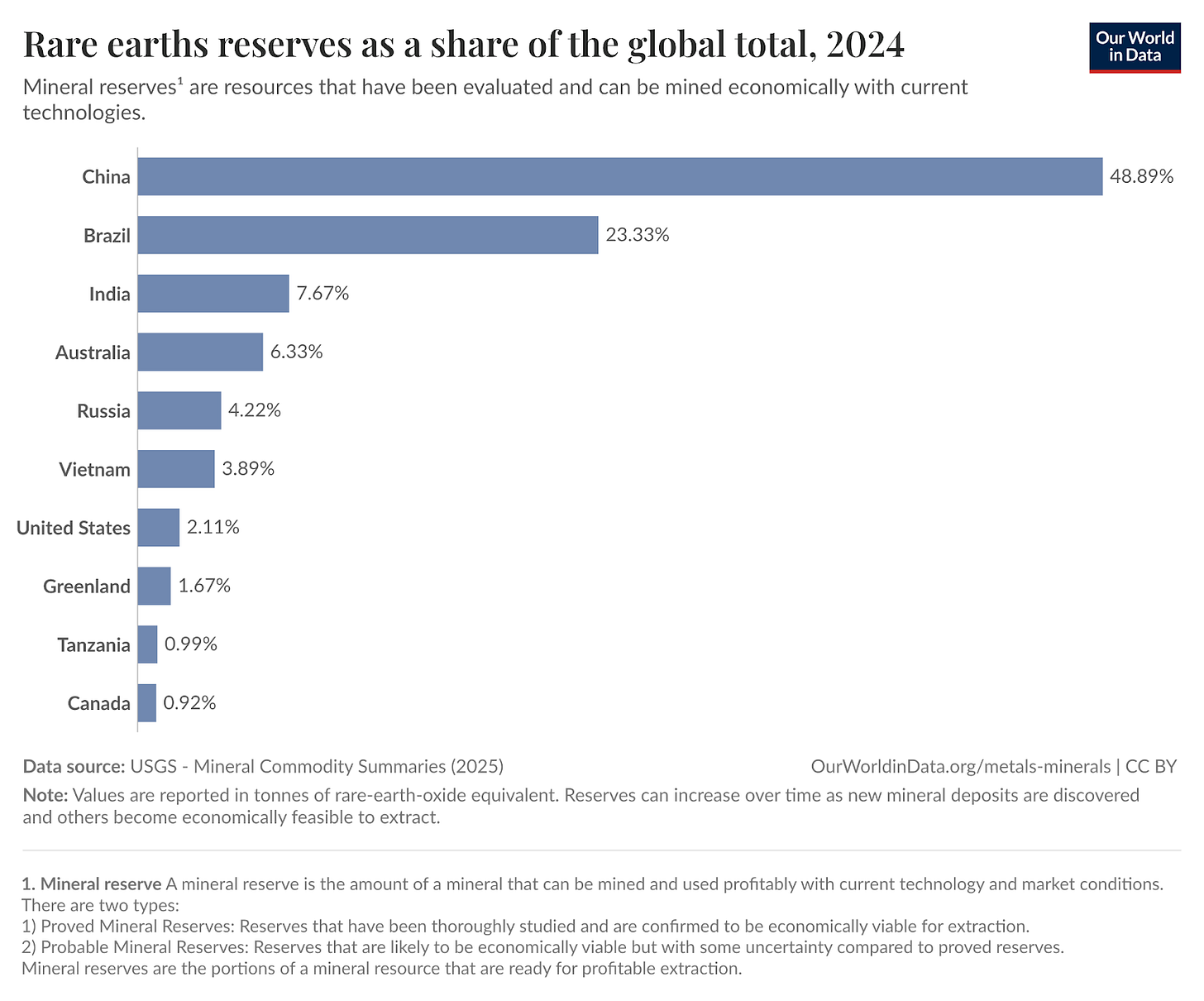
Under the agreement, all tariffs on Australian energy and resources exports to the EU will be permanently eliminated, including those applied to lithium hydroxide, hydrogen, and associated carriers, which had faced duties of up to around 5.5%.
"Removing all tariffs on resources and critical minerals strengthens Australia's competitiveness and supports predictable, open trade with a key strategic partner," Tania Constable, CEO of the Minerals Council of Australia, said.
European Automakers & Pharmaceuticals Set to Gain
European automakers stand to gain the most visible near-term upside from eliminated vehicle tariffs and the reformed EV tax threshold.
The European Commission projects EU motor vehicle exports could rise by 52%. Germany's premium manufacturers, such as BMW AG (XETRA: BMWG.DE), Mercedes-Benz Group AG (XETRA: MBG.DE), and Porsche AG (XETRA: P911.DE), are positioned to benefit the most.
EU food and beverage companies emerge as equally clear winners. Producers of wine, champagne, cheese, chocolate, and premium spirits gain duty-free access to a high-income, English-speaking market. EU pharmaceutical and chemical companies gain from immediate tariff removal, while industrial equipment manufacturers in Germany, France, and the Netherlands see duties scrapped on day one.
Alongside the FTA, both parties signed a Security and Defense Partnership and launched formal negotiations for Australia's association with Horizon Europe, the world's largest research funding program.
Agriculture Was Most Contentious Issue
The agreement's most contentious aspect is agriculture, where both sides are simultaneously losing the argument domestically. For Australian beef and lamb exporters, the final quotas fell far short of industry expectations.
Under the agreement, the EU will open tariff rate quotas totaling 30,600 tons of beef and 25,000 tons of sheep and goat meat annually, phased in over 10 and 7 years, respectively, representing around 0.5% of EU domestic beef consumption and less than 2% of all Australian beef exports worldwide.
"What the Australian Government has accepted today appears to offer no material change for key agricultural commodities as what the Government rightly rejected in October 2023," Australia's National Farmers Federation said.
European farmers are equally discontented, but for opposite reasons.
Copa-Cogeca, the EU's influential pan-European farmers' lobby, called the concessions "unacceptable," warning that "European farmers cannot continue to absorb the cost of bilateral trade liberalization without adequate and truly effective safeguards."
Free Trade Reflects Open Trade Among Democracies
The EU–Australia FTA reflects a shared conviction that supply chain resilience and strategic autonomy now rank alongside growth as core trade objectives.
"By finalizing the trade agreement with Australia, we show that cooperation, not protectionism, is the way forward," Karin Karlsbro, Swedish MEP and Renew Europe coordinator for the Committee on Trade, said. "Open trade between democracies is Europe's strongest answer to global uncertainty."
The agreement must still clear the EU Council, European Parliament, and Australian parliamentary processes before entering into force. This process could take at least one to two years, and it isn't guaranteed.
The EU–Mercosur trade agreement is still undergoing judicial review. The European Parliament referred the deal to the European Court of Justice to assess whether it complies with the EU Treaties.
If approved, the Australia deal would mark one of the EU's most strategically aligned trade partnerships in the Indo‑Pacific, reinforcing a shift toward values‑based economic alliances.
Disclaimer: Any opinions expressed in this article are not to be considered investment advice and are solely those of the authors. European Capital Insights is not responsible for any financial decisions made based on the contents of this article. Readers may use this article for information and educational purposes only.
Benzinga Disclaimer: This article is from an unpaid external contributor. It does not represent Benzinga's reporting and has not been edited for content or accuracy.