

Stocks to Watch | Is Electricity the Next Big AI Bet? Save This "Gold Rush" Watchlist!
Amazon.com, Inc. AMZN | 0.00 | |
Alphabet Inc. Class C GOOG | 0.00 | |
Meta Platforms META | 0.00 | |
Microsoft Corporation MSFT | 0.00 | |
Oracle Corporation ORCL | 0.00 |
The race for artificial intelligence dominance is rapidly evolving from a battle over computing power into a battle for electricity. As data center expansion strains existing infrastructure, the industry is approaching a historic policy pivot.
According to Fox News, executives from Amazon.com, Inc.(AMZN.US), Alphabet Inc. Class C(GOOG.US), Meta Platforms(META.US), Microsoft Corporation(MSFT.US), xAI, Oracle Corporation(ORCL.US), and OpenAI will convene at the White House on March 4. They are expected to formally sign the "Rate Payer Protection Pledge," an initiative announced by President Trump in his State of the Union address.
Under the terms of the pledge, these companies commit to self-building, importing, or procuring independent power supplies for new AI data centers rather than relying on the existing public grid. The goal is to prevent soaring energy costs from being passed on to ordinary American households.
White House spokesperson Taylor Rogers stated that the administration is committed to "lowering the cost of living for working families while ensuring American AI dominance."
The Market Impact: The Rise of 'Bring Your Own Generation'
For the market, this agreement fundamentally alters the landscape. In the AI sector, speed is the primary driver of market cap. With the requirement to operate off the public grid, tech giants must balance construction speed, stability, and environmental standards.
This dynamic creates a "Bring Your Own Generation" (BYOG) environment. Immediate solutions like gas turbines are becoming the most efficient answer to the power shortage. For instance, xAI’s Memphis cluster deployed 100,000 GPUs in just four months, a feat driven by the rapid installation of gas turbines.
This shift is creating a vast ecosystem surrounding "data center power plants," driving demand for microgrid control systems, fuel cells, energy storage, and high-voltage distribution equipment.
Here is a breakdown of the sectors and companies positioned to benefit from the U.S. power supply gap:
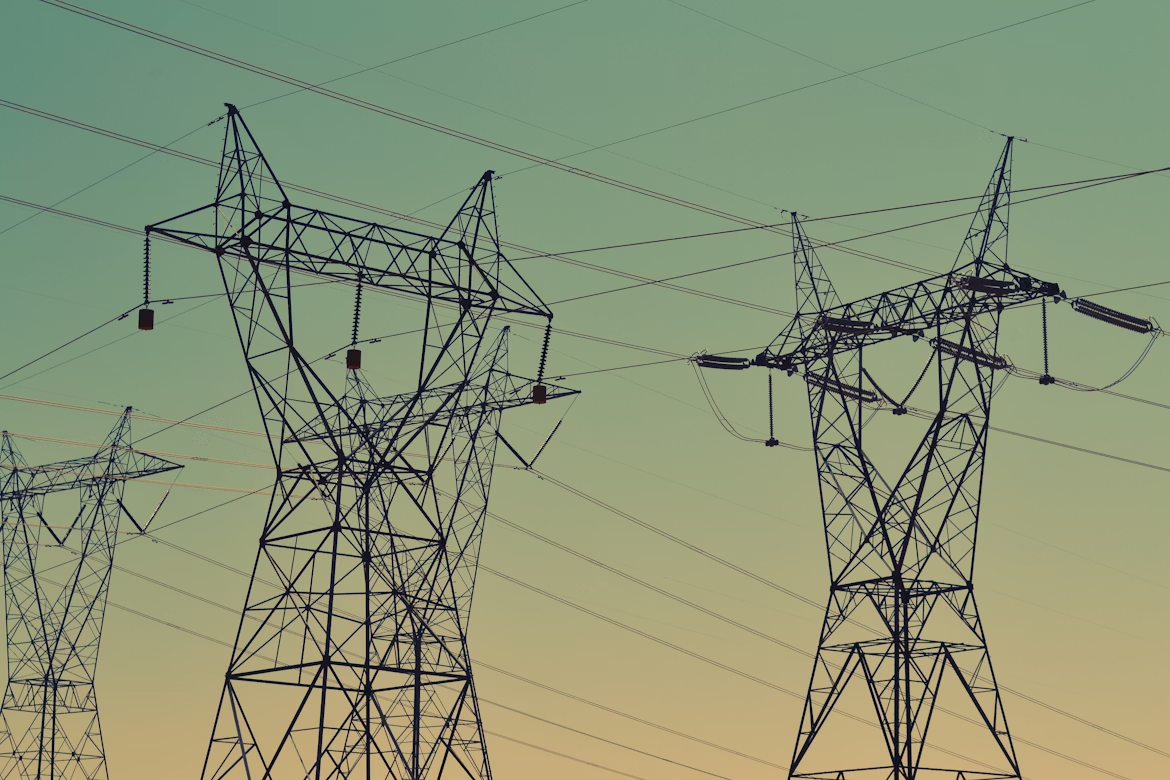
1. Upstream: Technology, Equipment, and Fuel
Gas Turbines: The Immediate Solution
Before nuclear energy becomes ubiquitous, natural gas remains the essential transition fuel. Gas turbines are the mature, mainstream choice for "self-generation."
- GE Vernova Inc.(GEV.US) and SIEMENS AG(SIEGY.US): Along with Mitsubishi Heavy Industries, these firms control nearly 90% of the market. Order backlogs now extend to 2028, providing high earnings visibility and pricing power.
- Caterpillar Inc.(CAT.US): A leader in industrial gas turbines, planning to double capacity to meet surging demand.
Nuclear Energy: The Long-Term Base Load
Small Modular Reactors (SMRs) are increasingly viewed as the future dedicated power source for data centers.
- NuScale Power Corporation Class A(SMR.US): The first listed SMR manufacturer.
- Oklo Inc. Class A(OKLO.US): Backed by Sam Altman, focusing on SMR development.
- NextEra Energy, Inc.(NEE.US): Developing portable micro-reactors.
- BWX Technologies, Inc.(BWXT.US): A major supplier of nuclear components and fuel, distinct for its established government and naval contracts.
Uranium suppliers include Cameco Corporation(CCJ.US), Uranium Energy Corp.(UEC.US), Energy Fuels Inc.(UUUU.US), and Centrus Energy Corp. Class A(LEU.US).
Fuel Cells (SOFC): The Agile Alternative
Fuel cells offer a "Behind-the-Meter" solution, bypassing grid delays. This technology could capture 25-50% of the off-grid market.
- BLOOM ENERGY CORP(BE.US): The leader in Solid Oxide Fuel Cells (SOFC), offering rapid deployment for data centers needing immediate, reliable power.
- Plug Power Inc.(PLUG.US): A hydrogen fuel cell leader expanding its supply network.
- FuelCell Energy, Inc.(FCEL.US): Specializes in molten carbonate fuel cells with potential for carbon capture integration.
Renewables & Backup Power
Solar and energy storage are key to alleviating the power crisis. The U.S. Energy Information Administration (EIA) reports that 80% of new grid capacity comes from solar and storage.
Key companies include First Solar, Inc.(FSLR.US), NextDecade Corp.(NEXT.US), Enphase Energy, Inc.(ENPH.US), and Brookfield.
Cummins Inc.(CMI.US) provides highly reliable diesel and natural gas generators as the "last line of defense" against power outages for tech giants like Microsoft and Amazon.
Power Solutions International, Inc.(PSIX.US) specializes in "alternative fuel" engines, offering clean, cost-effective solutions for data centers and industrial clients.
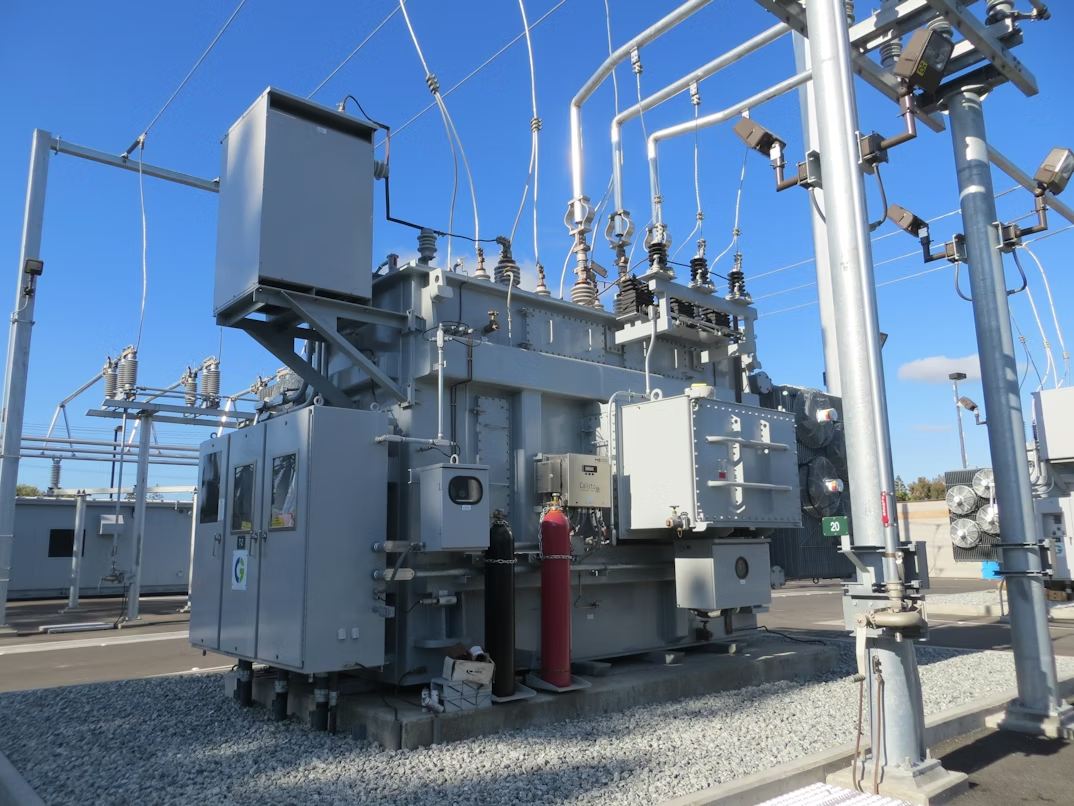
2. Midstream: Power Generation and Operations
Power production and operation are now seen as growth assets, with stable and clean power becoming the most critical "compute power fuel" in the AI era.
Independent power producers include Vistra Corp.(VST.US), Talen Energy Corp(TLN.US), NRG Energy, Inc.(NRG.US), and AES Corporation(AES.US).
Vertically integrated utilities include NextEra Energy, Inc.(NEE.US), Southern Company(SO.US), and Duke Energy Corporation(DUK.US).
Distributed energy services include Sunrun Inc.(RUN.US).
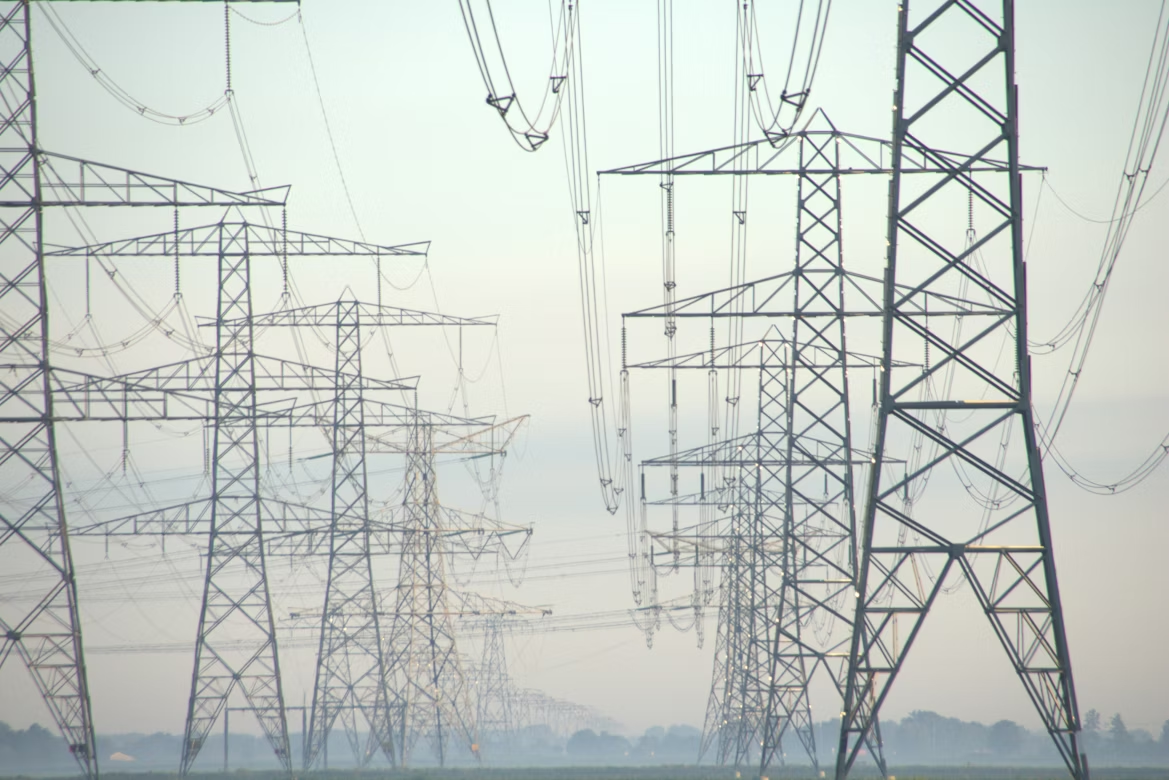
3. Infrastructure: Grid and Storage
Eaton Corp. Plc(ETN.US) provides comprehensive electrical management solutions, ensuring AI data centers' power supply remains uninterrupted and secure.
Energy Storage:
- Tesla Motors, Inc.(TSLA.US) offers the Megapack, a key solution for AI data centers' intermittent green power issues.
- Fluence Energy, Inc. Class A(FLNC.US) provides AI-driven software systems for precise power dispatching.
- QuantumScape(QS.US) develops solid-state batteries with high energy density and safety features.
- Eos Energy Enterprises, Inc. Class A(EOSE.US) offers zinc-based battery technology, providing safe alternatives to lithium batteries.
- ESS Tech Inc(GWH.US) specializes in iron flow batteries for long-duration energy storage.
- Microvast(MVST.US) supplies high-performance industrial-grade battery components.
Bottom Line
In the gold rush era, the surest profits often went to those selling shovels. While chipmakers like Nvidia captured the first wave of the AI boom, the "Rate Payer Protection Pledge" signals the start of the second wave. The competition has moved from code and silicon to turbines and transformers. For global manufacturers of power infrastructure, a multi-hundred-billion-dollar market funded by Silicon Valley is just beginning to open up.